
Tag Archives: Winter

Loading
loading..

Old-Fashioned Beef Stew

Standards Wyoming


Ingredients

  • 1/4 cup all-purpose flour
  • 1/4 teaspoon freshly ground pepper
  • 1 pound beef stewing meat trimmed and cut into inch cubes
  • 5 teaspoons vegetable oil
  • 2 Tablespoons red wine vinegar
  • 1 cup red wine
  • 3 1/2 cups beef broth homemade or low-sodium canned
  • 1 bay leaf
  • 1 medium onion peeled and chopped
  • 5 medium carrots peeled and cut into 1/4 inch rounds
  • 2 large baking potatoes peeled and cut into 3/4 inch cubes
  • 2 teaspoons salt

Instructions

  • Wash hands with soap and water for 20 seconds.

  • Combine the flour and pepper in a bowl, add the beef and toss to coat well. Heat 3 teaspoons of the oil in a large pot. Add the beef a few pieces at a time; do not overcrowd. Cook, turning the pieces until beef is browned on all sides, about 5 minutes per batch; add more oil as needed between batches.

  • Wash the counter and utensils that touched the raw meat. Wash hands with soap and water after handling raw meat.

  • Remove the beef from the pot and add the vinegar and wine. Cook over medium-high heat, scraping the pan with a wooden spoon to loosen any browned bits. Add the beef, beef broth, and bay leaf. Bring to a boil, then reduce to a slow simmer.

  • Cover the pot and cook, skimming broth from time to time, until the beef is tender, about 1 1/2 hours.

  • While the beef is cooking, scrub the onion, carrots, and potatoes with a clean vegetable brush under cold running water. Prepare vegetables as directed in the ingredients.

  • Add the onions and carrots to the pot and simmer, covered, for 10 minutes. Add the potatoes and simmer until vegetables are tender, about 30 minutes more. Add broth or water if the stew is dry. Season with salt and pepper to taste.

  • Serve immediately.

Old-Fashioned Beef Stew

Wyoming

Meatloaf

Standards Illinois

Meatloaf is traced back to ancient times when people started combining ground meat with other ingredients for a more economical and substantial meal.

Colonial America: The concept of mixing ground meat with breadcrumbs or grains dates back to medieval Europe. When settlers arrived in North America, they adapted these techniques to the ingredients available to them, such as native grains and game meats.

19th Century: As meat grinders became more widely available in the 19th century, the preparation of ground meat dishes became easier. Meatloaf gained popularity during this time, with regional variations emerging across the United States. Families would incorporate various seasonings, herbs, and fillers based on local ingredients and preferences.

World War II and Post-War Era: Meatloaf became even more popular during World War II and the post-war era due to its affordability and versatility. Families could stretch a small amount of meat by combining it with breadcrumbs, rice, or oats, making it an economical choice during times of rationing.

1950s and 1960s: Meatloaf reached its peak of popularity in the mid-20th century, becoming a staple of American home cooking. The dish was often featured in cookbooks and advertisements, showcasing its versatility and ease of preparation.

Over time, meatloaf recipes have evolved with regional and personal preferences. Some variations include using different meats (beef, pork, veal, or a combination), adding vegetables, experimenting with various seasonings, and glazing with sauces.


Campus Dining recipe: Meatloaf

Ingredients:

Celery, chopped fine, 1 & 1/2 oz.
Yellow onions, chopped fine, 2 & 3/4 oz.
Ground beef, 2 lbs.
Eggs, 2 whole
Ketchup, 2 & 1/3 Tbsp.
Mustard, 2 3/8 tsp.
Worcestershire sauce, 1 1/8 tsp.
Italian seasoning, 5/8 tsp.
Bread crumbs, plain, 3 & 1/2 oz.
Kosher salt, 3/8 tsp.
Black pepper, 1/4 tsp.
Topping

Ketchup, 1 & 1/2 oz.
Water, 2 3/8 tsp.
Instructions

Preheat oven to 325 degrees.

Place ground beef in mixing bowl. Add eggs and combine.

Add ketchup (2 & 1/3 Tbsp.), mustard, Worcestershire sauce, Italian seasoning, onions, celery, breadcrumbs, salt, and pepper. Mix well to combine. Meatloaf should be firm. If mixture is not, add more bread crumbs.

Place meatloaf in a loaf pan. Make sure it is spread evenly.

Bake for about 45 minutes, uncovered. Remove from oven.

Combine ketchup (1 & 1/2 oz.) and water. Spread over meatloaf.

Return to oven for another 15-20 minutes, or until internal temperature reaches 155 degrees.

Let the meatloaf rest for 30 minutes prior to cutting.

Illinois

Wild Swimming


INTERVIEW: Student Ellie Ford on founding the University’s first cold water swimming group


“Port Meadow is absolutely beautiful and a wonderful place to swim. We often swim in a different spot from other open water swimming groups in order to create a more relaxed environment – especially for our beginners. We do special beginners swims on Saturdays, to ease new members into the practise slowly and very carefully.

Safety is paramount, so I’ll walk them in to the water and they can immerse themselves as much as they want. We never allow anyone to jump or dive into cold water – the shock can cause a swimmer to gulp for air and subsequently ingest water; it’s always a gentle process.” — Ellie


Sex Difference in Female and Male Ice Swimmers

Ice Swimming

Venison Stew

This content is accessible to paid subscribers. To view it please enter your password below or send mike@standardsmichigan.com a request for subscription details.

English Fry Up

The Full English Breakfast, or “fry-up,” originated in the Victorian era (1830s–1900s) as a hearty meal for the rural gentry and emerging industrial working class in Britain. It combined affordable, energy-dense ingredients—butter-fried eggs, back bacon, sausages, fried bread, tomatoes, mushrooms, baked beans, and black pudding—designed to fuel long days of manual labor or fox-hunting. By the Edwardian period it had become a symbol of British identity and was served in hotels and boarding houses to travelers.
§
In the United States, the fry-up arrived on college campuses primarily after World War II via two routes: British faculty and students at elite universities (Oxford-Cambridge exchanges, Rhodes Scholars) and the 1960s–70s “British Invasion” cultural wave. Dining halls at places like Yale, Harvard, and certain Ivy League-adjacent schools began offering weekend “English breakfasts” as novelty brunches. The tradition stuck hardest at boarding schools and liberal-arts colleges with strong Anglophile traditions (e.g., Choate, St. Paul’s, Middlebury, Kenyon).
§
By the 1980s–90s, beans on toast and proper rashers of back bacon became hangover cures at off-campus houses, cementing the fry-up as a once-a-semester ritual rather than daily fare.


English Breakfast for Each Day of the Week

Standards Massachusetts | Planning, Real Estate, and Facilities


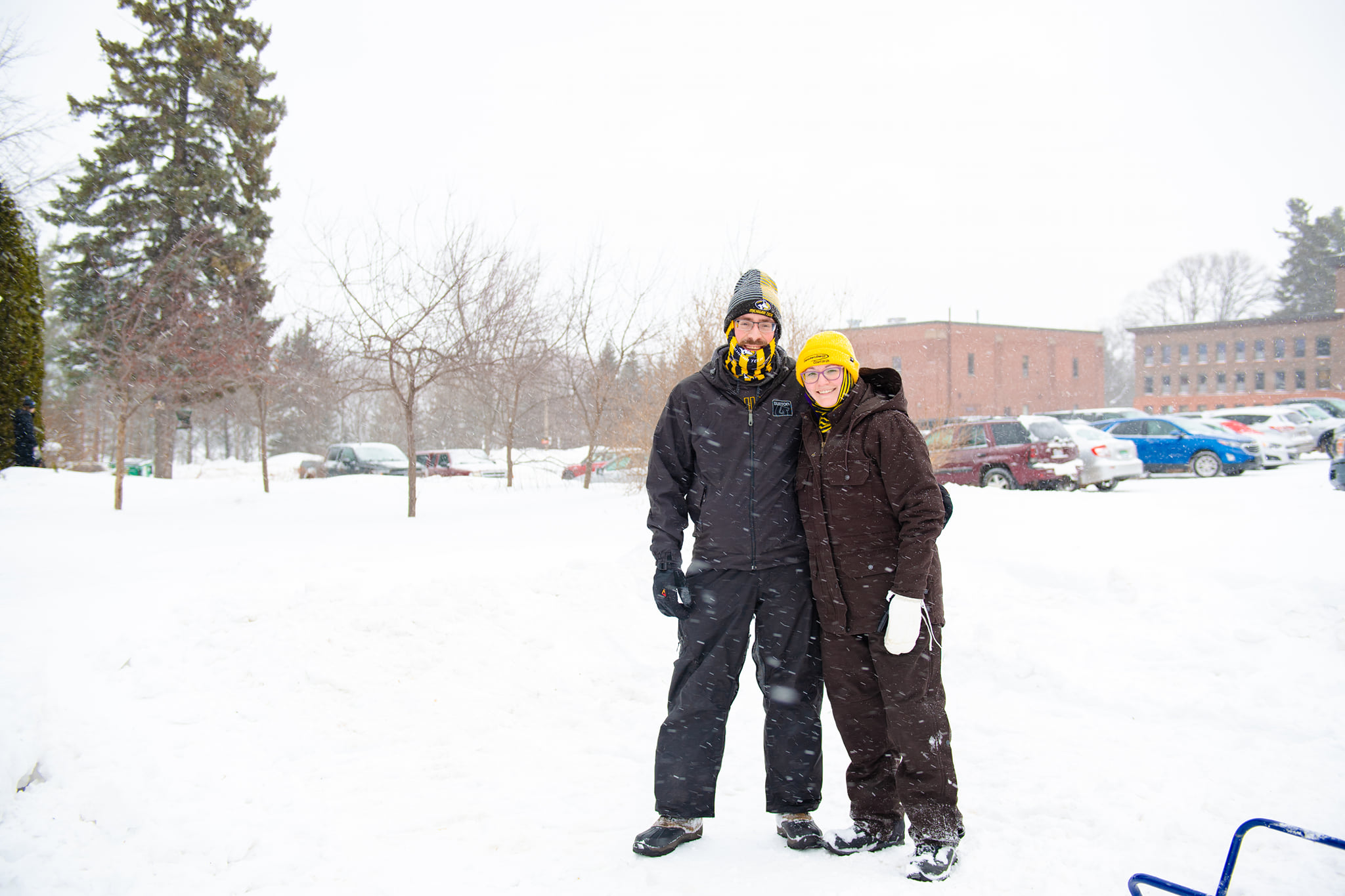
Incredible snow removal

Electric Power Availability: Cold Weather Preparedness

PUBLIC LAW 109–58—AUG. 8, 2005 | ENERGY POLICY ACT OF 2005

Reaction: January 22 Open Meeting


National Electrical Code CMP-18

January 25th Joint Meeting of the Nuclear Regulatory Commission and FERC: Docket No. AD06-6-000.  Given the close coupling of electric and natural gas supply with respect to power reliability, the mind boggles at the hostility of the Biden Administration to natural gas anywhere on earth.  Natural gas is critical to generation plant black start capabilities and hospitals, among others.

A selection of the presentations:

“Long Term Reliability Assessment” – Presented by Mark Lauby, Senior Vice President and Chief Engineer, NERC

“Grid Reliability Overview & Updates” – Presented by David Ortiz, Director of the Office of Electric Reliability

“Status of Standards and Implementation for Cold Weather Preparedness and Applicability to Nuclear Plants” – Presented by David Huff, Electrical Engineer, Office of Electric Reliability

“Gas-Electric Coordination Since Winter Storm Uri” – Presented by Heather Polzin, Reliability Enforcement Counsel, Office of Enforcement

“Overview of Power Reactor Activities” – Presented by Andrea Kock, Deputy Office Director for Engineering, NRR

“Grid Reliability Updates” – Presented by Jason Paige, Chief, Long-Term Operations and Modernization Branch, Division of Engineering and External Hazards, NRR

Electrical Resource Adequacy

Related:

Utah State University: History of Probability

Sample Probability and Statistics Problem from Professional Electrical Engineer’s Examination

Loss-of-load-based reliability indices

Layout mode
Predefined Skins
Custom Colors
Choose your skin color
Patterns Background
Images Background
Standards Michigan
error: Content is protected !!
Skip to content