“Chanson de Matin” is characterized by its light, lyrical, and charming melody, which evokes a sense of freshness and optimism associated with the early hours of the day. Elgar is known for his ability to capture various moods and emotions in his compositions.
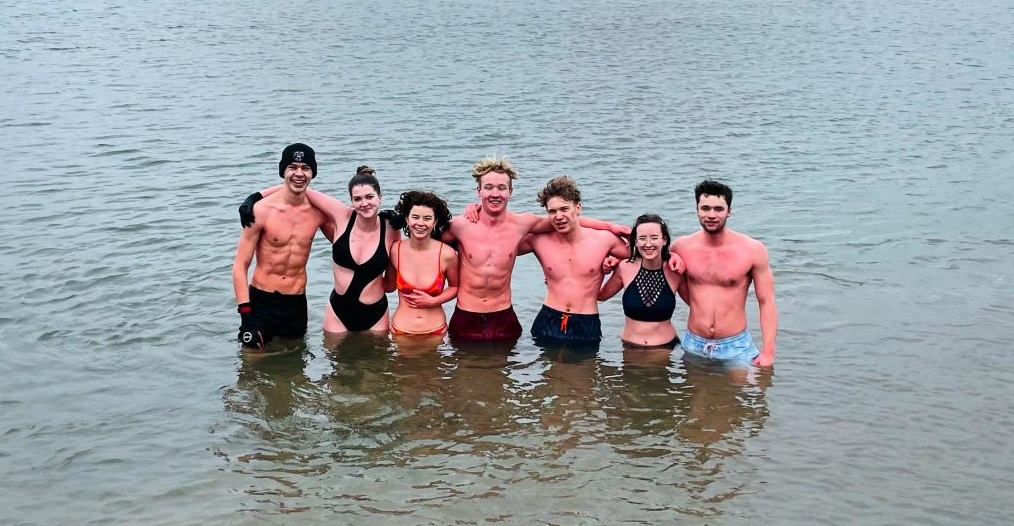
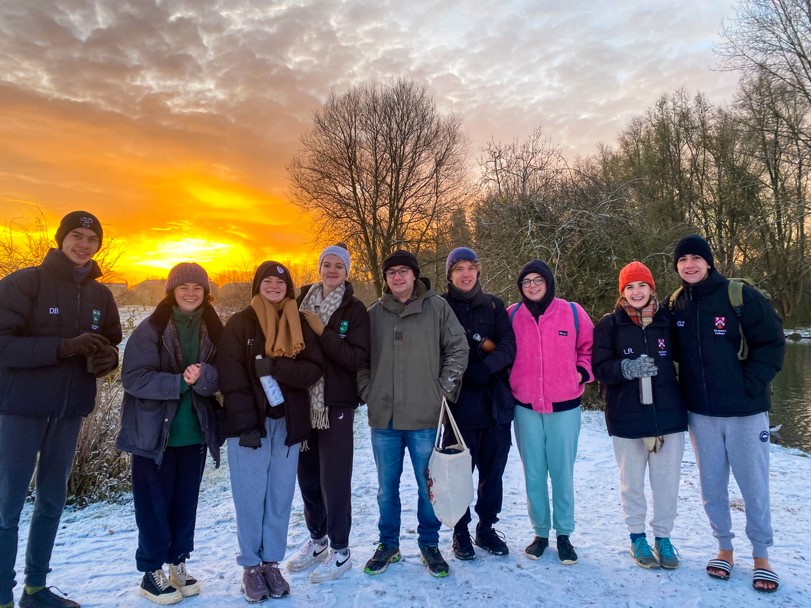
“Port Meadow is absolutely beautiful and a wonderful place to swim. We often swim in a different spot from other open water swimming groups in order to create a more relaxed environment – especially for our beginners. We do special beginners swims on Saturdays, to ease new members into the practise slowly and very carefully.
Safety is paramount, so I’ll walk them in to the water and they can immerse themselves as much as they want. We never allow anyone to jump or dive into cold water – the shock can cause a swimmer to gulp for air and subsequently ingest water; it’s always a gentle process.” — Ellie
This content is accessible to paid subscribers. To view it please enter your password below or send mike@standardsmichigan.com a request for subscription details.
For the 20th year, Elon University has been recognized as a leader in study abroad by the Institute of International Education. Elon is ranked #1 in the percentage of undergraduate students who participate in study abroad among doctoral universities. https://t.co/kak6mETp2Qpic.twitter.com/0m7fyJ4rzT
The NPADC is a team competition for law students to develop skills in drafting patent applications, focusing on U.S. patent law. Teams receive a hypothetical invention statement, conduct prior art searches, draft specifications and claims, and present their work to judges, including patent examiners and practitioners. For 2025, the invention was an extra-uterine system for supporting premature fetuses, indicating the complexity of tasks involved
There is no publicly available timetable for the 2026 National Patent Application Drafting Competition (NPADC) from the United States Patent and Trademark Office (USPTO) as of the latest available information. The USPTO typically releases detailed schedules for the NPADC closer to the competition year, often in the fall of the preceding year (e.g., October or November 2025 for the 2026 competition).
After months of hard work, the top five teams met at USPTO headquarters today for the final round of the 2025 National Patent Application Drafting Competition. 🏆 And the winners are … ⬇️
Thomas Jefferson was the leader in founding the United States Patent Office. Jefferson was a strong supporter of the patent system and believed that it was essential for promoting innovation and progress in the United States. As the first Secretary of State Jefferson was responsible for implementing the country’s patent system.
Article I, Section 8, Clause 8 of the United States Constitution reads as follows:
“The Congress shall have Power To promote the Progress of Science and useful Arts, by securing for limited Times to Authors and Inventors the exclusive Right to their respective Writings and Discoveries.”
In 1790, Jefferson drafted the first Patent Act, which established the procedures for applying for and granting patents. The act also created the United States Patent Office as a government agency to oversee the patent system. Jefferson appointed the first Patent Board, which was responsible for reviewing patent applications and making recommendations to the Secretary of State.
Jefferson was deeply involved in the early development of the Patent Office and was instrumental in shaping its policies and procedures. He believed that the patent system should be accessible to all inventors, regardless of their social or economic status, and he worked to streamline the patent application process to make it more efficient and user-friendly.
In recognition of his contributions to the development of the patent system, Jefferson is often referred to as the “Father of American Innovation.”
This clause grants Congress the authority to establish a system of patents and copyrights to protect the intellectual property of inventors and authors. The purpose of this system is to encourage innovation and creativity by providing inventors and authors with a temporary monopoly on their creations, allowing them to profit from their work and invest in future projects. The clause also emphasizes the importance of promoting the progress of science and the useful arts, reflecting the belief of the founders that the development of new technologies and inventions was essential for the growth and prosperity of the United States.
Over the years, the Patent Office has played a crucial role in the development of the United States as a technological leader, granting patents for inventions ranging from the telephone and the light bulb to the airplane and the computer. Today, the Patent Office is part of the United States Department of Commerce and is responsible for examining patent applications and issuing patents to inventors and companies.
Congratulations to the winners of this year’s National Patent Application Drafting Competition – Khailee, Bree, Rita, and Maria from @gwlaw, and thank you to all participants! Learn more about the competition: https://t.co/gB64fnXaM6pic.twitter.com/FWqak6Mr1m
From creating a race car safety device that protects drivers from injury to revolutionizing chemotherapy, Spartans have contributed to more than 3,300 inventions. #SpartansWillpic.twitter.com/dchCs0BFBx
New update alert! The 2022 update to the Trademark Assignment Dataset is now available online. Find 1.29 million trademark assignments, involving 2.28 million unique trademark properties issued by the USPTO between March 1952 and January 2023: https://t.co/njrDAbSpwBpic.twitter.com/GkAXrHoQ9T