Secretary of State Marco Rubio's full speech today at the 2026 Munich Security Conference.
Excerpt:
"At the time of that first (1963 Munich Security Conference) gathering, Soviet communism was on the march. Thousands of years of Western civilization hung in the balance. At that… pic.twitter.com/YsE59U2dQU
— Paul Villarreal (AKA Vince Manfeld) (@AureliusStoic1) February 14, 2026
Illustration from 1913 showing Pythagoras teaching a class of women. Pythagoras believed that women should be taught philosophy as well as men and many prominent members of his school were women.Our practice is fairly structured as our Syllabus reveals. Once a month we like to break form and throw our agenda “open”. Unstructured. Completely determined by the interest of our clients, colleagues and followers. Use the login credentials at the upper right of our home page.
* Lyndon B. Johnson played a significant role in the passage of the Education Acts of 1965, which consisted of two key pieces of legislation: the Elementary and Secondary Education Act (ESEA) and the Higher Education Act (HEA).
As President of the United States, Johnson made education reform a priority of his administration and saw it as a means of addressing poverty and inequality in America. He signed the ESEA into law in April 1965, which was designed to provide funding to schools serving low-income students and aimed to close the achievement gap between disadvantaged students and their more affluent peers. The ESEA also provided funds for teacher training and other educational programs.
In November of the same year, Johnson signed the HEA into law, which provided funding for college and university education and sought to make higher education more accessible to all Americans.
Together, these Education Acts of 1965 were a significant achievement for Johnson’s administration and played a crucial role in expanding educational opportunities for millions of Americans. They marked a major shift in federal education policy and helped to establish the federal government’s role in shaping education policy in the United States.
Alexander Fleming
Born on: August 6, 1881, in Scotland.
Died on: March 11, 1955.
The Scottish bacteriologist known for discovering penicillin, revolutionizing medicine. His work paved the way for antibiotics, saving countless lives and earning him the Nobel Prize in Medicine. pic.twitter.com/jNkmKKNaJm
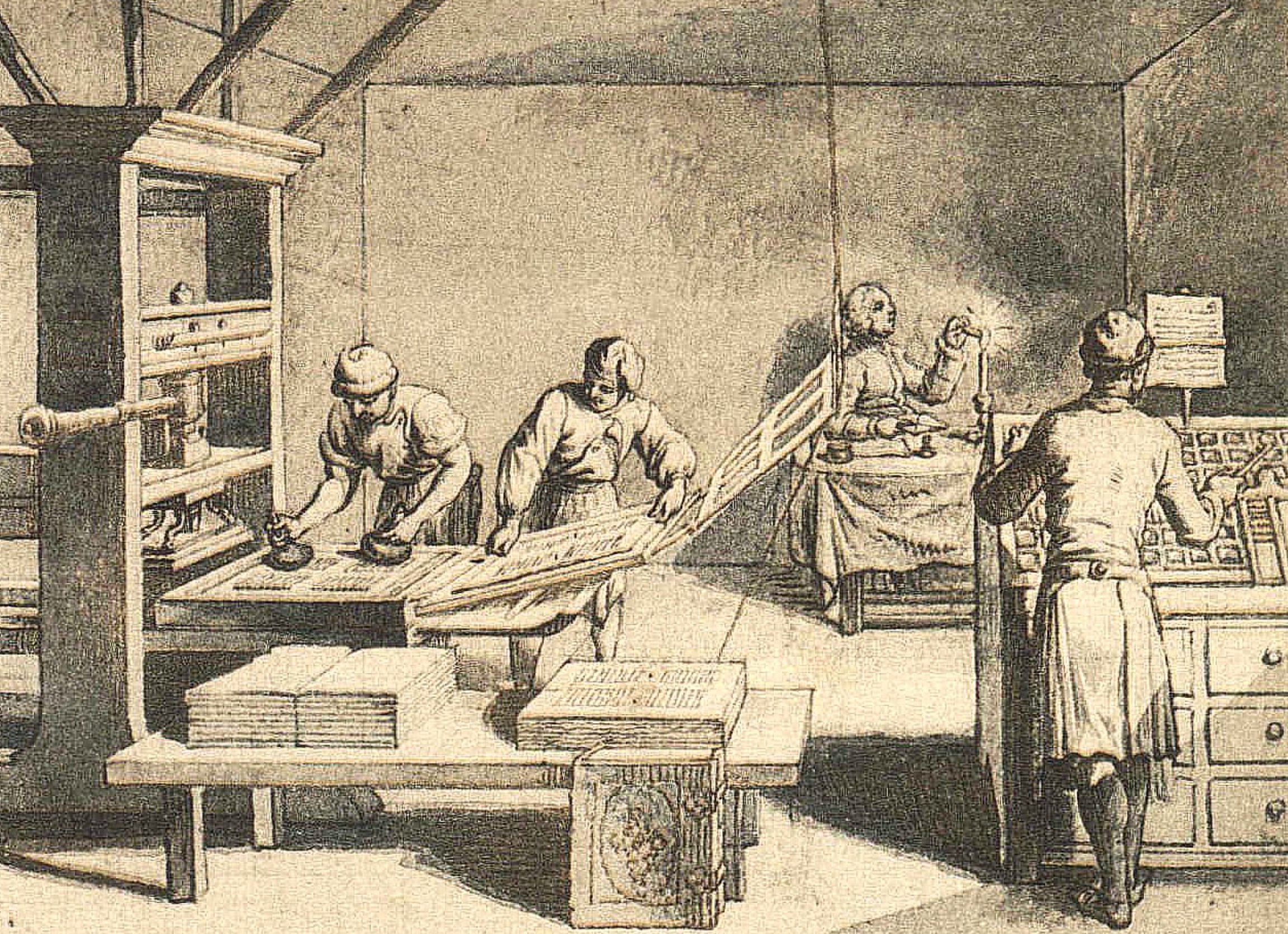
1439 – Johannes Gutenberg invents the printing press.
Oliver Heaviside (1850–1925) was a self-taught English mathematician and physicist who reformulated James Clerk Maxwell’s original set of twenty equations into the four differential equations known today as Maxwell’s equations. pic.twitter.com/xYFJFa341G
In 1883 the Edison & Swan United Electric Light Company was established. Known commonly as “Ediswan” the company sold lamps made with a cellulose filament that Swan had invented in 1881. Variations of the cellulose filament became an industry standard, https://t.co/mmDHYKDTlqpic.twitter.com/t5fRFKCEyW
We’re celebrating the International Day of Women and Girls in Science!
Let’s look back on the life of Marie Skłodowska Curie: a Nobel Prize laureate who dedicated her life to science and became one of the world’s greatest scientists.#WomenInScience#NobelPrizepic.twitter.com/urix0dUh9B
The Steam Engine: The invention of the steam engine in the 18th century by pioneers like James Watt revolutionized industry, transportation, and agriculture, powering factories, locomotives, and ships and driving the Industrial Revolution.
The Internal Combustion Engine: The development of the internal combustion engine in the 19th century revolutionized transportation and manufacturing, leading to the proliferation of automobiles, airplanes, and machinery that powered economic growth and globalization.
The Internet: Originating from research projects in the late 20th century, the internet has become a fundamental infrastructure for communication, commerce, education, and entertainment, connecting billions of people worldwide and enabling unprecedented access to information and resources.
Semiconductors and Integrated Circuits: The invention of semiconductors and integrated circuits in the mid-20th century paved the way for the digital revolution, enabling the miniaturization and mass production of electronic devices such as computers, smartphones, and microprocessors.
Agriculture: The transition from a hunter-gatherer lifestyle to settled agriculture marked the beginning of civilization and allowed for the development of permanent settlements, leading to population growth, specialization of labor, and the emergence of complex societies.
The Wheel: Invented around 3500 BCE, the wheel revolutionized transportation, enabling the movement of goods and people over long distances and laying the foundation for subsequent advancements in engineering and machinery.
Writing: The development of writing systems, such as cuneiform in Mesopotamia and hieroglyphs in Egypt, facilitated the recording and dissemination of information, contributing to the preservation of knowledge, governance, and cultural expression.
ABSTRACT. As a collective, women’s experience in higher education has been disparate and differential to some men’s experience over the last two centuries, fundamentally based on the societal influences of the time. In the formative years of higher education women attended higher education institutions for social stratification reasons or for marital choice opportunities and to a lesser degree for college outcomes. This study’s purpose was to explore the current motivations of freshmen individuals who identified as female undergraduate students in their first year of pursuing a bachelor’s degree in higher education.
This study used a qualitative research design with semi-structured interviews of five undergraduate women at a mid-sized university campus in the Midwest United States. An initial pre-interview questionnaire was given to participants which provided background and demographic information to ensure an illustrative sample of undergraduate freshmen women who were pursuing a bachelor’s degree.
Considering societal changes for the advancement of women using a historical lens, this study used qualitative research methods to articulate what the current motivations and influences are for women who enroll in higher education in contemporary society. By listening to the women’s stories college going was seen as a viable and important next step in their life journey helping them to achieve their personal and professional goals and aspirations. Both K-12 and post-secondary practitioners and administrators can learn through their voices what matters most to them as they seek to fulfill their personal aspirations for a career to make a difference while having a better life not only for themselves but also for those who they plan to influence through their careers and with their future families.
By understanding women’s motivations for higher education credentials, institutional supports can be developed to foster a deeper understanding of women, as students, in higher education. With this knowledge, K-12 and post-secondary educators and leaders can design pre-college academic programs and student support services to facilitate student discovery built on the aspects that motivate female students to pursue the full higher education experience.
Western Colorado University Center for Cold Climate Food Security
Today we break down the catalog for food safety in education communities; with primary attention to consultations from private standard developing organizations and federal agencies charged with food safety. We do so with sensitivity to animals and plants and sustainability of the global food supply chain. Many schools are the communal cafeterias for the communities that own and operate them and run at commercial scale.
We prepare responses to public consultations released by standards developing organizations which, in many cases, have significant conformance enterprises.
The ASHRAE catalog is the most cross-cutting and fastest moving catalog in the land. If you claim ownership of the United States energy domain you pretty much capture everything related campus safety and sustainability. Best to deal with it on a day-by-day basis as we usually do according to daily topics shown on our CALENDAR.
Association for Packaging and Processing Technologies
National Electrical Safety Code (Our particular interest lies in the safety and reliability of off-campus agricultural and research facilities that receive power from regulated utilities)
Food safety and sustainability standards populate are of the largest domains we track so if we need a break0-out session, let’s do it. Use the login credentials at the upper right of our home page.
University of Kentucky College of Agriculture, Food and Environment
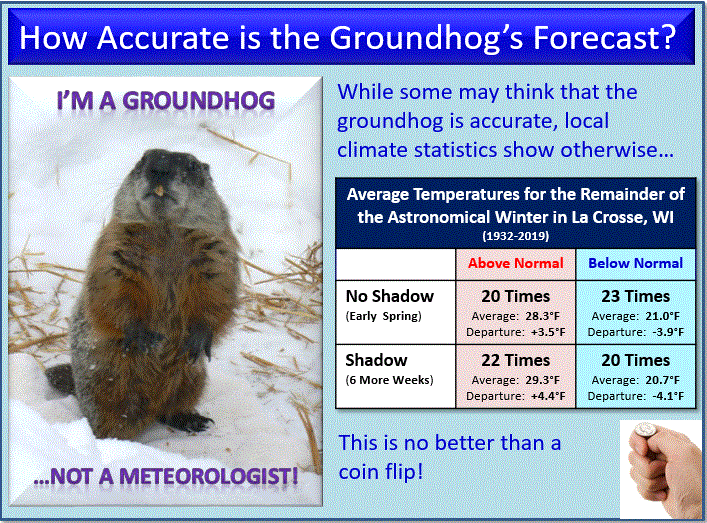
Background: The use of older data and references is becoming increasingly disfavored for publication. A myopic focus on newer research risks losing sight of important research questions already addressed by now-invisible older studies. This creates a ‘Groundhog Day’ effect as illustrated by the 1993 movie of this name in which the protagonist has to relive the same day (Groundhog Day) over and over and over within a world with no memory of it. This article examines the consequences of the recent preference for newer data and references in current publication practices and is intended to stimulate new consideration of the utility of selected older data and references for the advancement of scientific knowledge.
Methods: Examples from the literature are used to exemplify the value of older data and older references. To illustrate the recency of references published in original medical research articles in a selected sample of recent academic medical journals, original research articles were examined in recent issues in selected psychiatry, medicine, and surgery journals.
Results: The literature examined reflected this article’s initial assertion that journals are emphasizing the publication of research with newer data and more recent references.
Conclusions: The current valuation of newer data above older data fails to appreciate the fact that new data eventually become old, and that old data were once new. The bias demonstrated in arbitrary policies pertaining to older data and older references can be addressed by instituting comparable treatment of older and newer data and references.
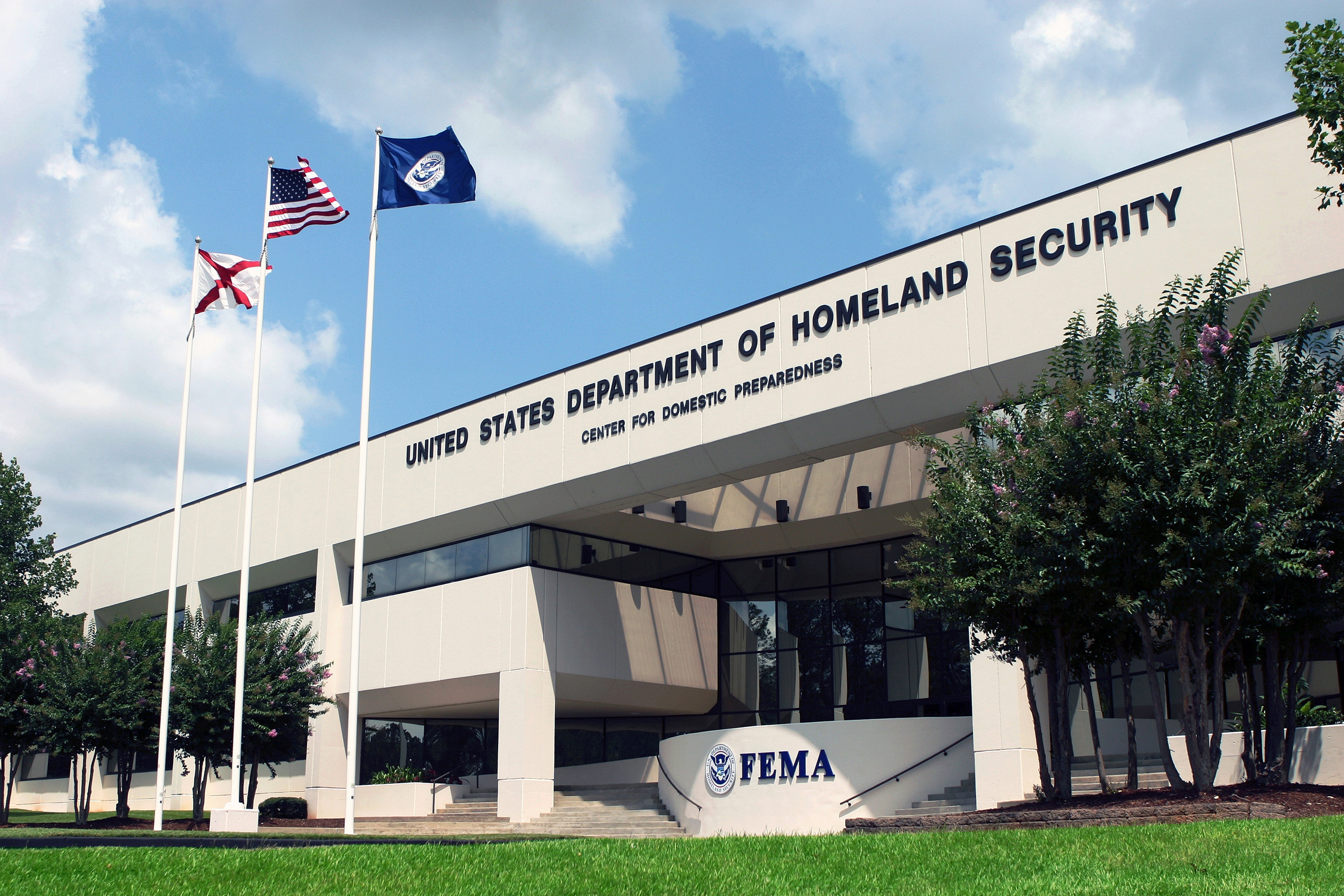
During today’s session we approach disaster avoidance, management and recovery literature from a different point of view than our customary approach — i.e. what happens when, a) there is failure to conform to the standard, b) there is no applicable standard at all. This approach necessarily requires venturing into the regulatory and legal domains.
We will confine our approach to the following standards development regimes:
De facto standards: These are standards that are not officially recognized or endorsed by any formal organization or government entity, but have become widely adopted by industry or through market forces. Examples include the QWERTY keyboard layout and the MP3 audio format.
De jure standards: These are standards that are formally recognized and endorsed by a government or standard-setting organization. Examples include the ISO 9000 quality management standard and the IEEE 802.11 wireless networking standard.
Consortium standards: These are standards that are developed and maintained by a group of industry stakeholders or organizations, often with the goal of advancing a particular technology or product. Examples include the USB and Bluetooth standards, which are maintained by the USB Implementers Forum and the Bluetooth Special Interest Group, respectively.
Open standards: These are standards that are freely available and can be used, implemented, and modified by anyone without restriction. Examples include the HTML web markup language and the Linux operating system.
Proprietary standards: These are standards that are owned and controlled by a single organization, and may require payment of licensing fees or other restrictions for use or implementation. Examples include the Microsoft Office document format and the Adobe PDF document format.
ANSI accredited standards developers with disaster management catalogs
We may have time to review State of Emergency laws on the books of most government agencies; with special attention to power blackout disasters.
Cases involving the Takings Clause of the Fifth Amendment might be relevant when government actions related to natural disasters affect private property rights.
Newman University hosts its Heritage Month in February to celebrates the English heritage of the university’s namesake, St. John Henry Newman. It typically takes place in the Dugan-Gorges Conference Center following the St. Newman Mass and features meticulously prepared finger foods, English breakfast or Earl Grey tea, and elegant tea sets, fostering a sense of community among students, alumni, faculty, and staff.
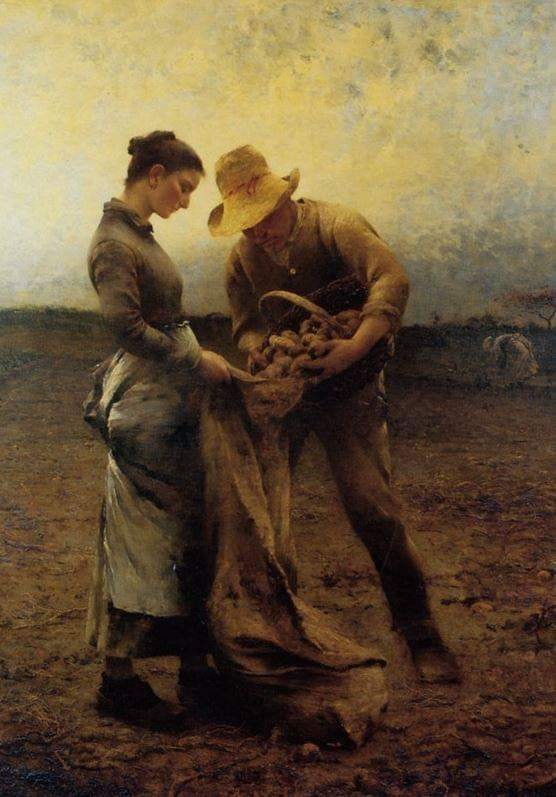
Why and How High Tea Originated as a Working-Class Custom: High tea, despite its modern association with elegance and afternoon tea, began as a practical, working-class custom in 19th-century Britain. Its origins lie in the Industrial Revolution, when factory workers, miners, and laborers, typically from the lower classes, returned home after long, physically demanding shifts. Unlike the leisurely afternoon tea enjoyed by the upper classes, high tea was a hearty, substantial meal served around 5–7 p.m., designed to sustain workers after a grueling day.
Why It Was Working-Class:Timing and Necessity: Workers couldn’t afford mid-afternoon breaks for tea, as their schedules revolved around factory or manual labor. High tea was served after work hours, replacing or supplementing dinner with affordable, filling foods like meat pies, bread, cheese, and tea, which provided energy and comfort.
Economic Constraints: The working class lacked the resources for the delicate sandwiches and pastries of upper-class afternoon tea. High tea used simple, inexpensive ingredients, reflecting the economic realities of laborers.
Cultural Context: Tea was a cheap, widely available beverage by the 19th century, thanks to Britain’s colonial trade. It became a staple for workers, offering warmth and stimulation, while the meal addressed their hunger.
How It Developed: High tea was served at a high dining table (unlike the low tables of aristocratic tea settings), where families gathered for a practical meal. The term “high” referred to the table height, distinguishing it from the refined “low tea” of the elite.
Food and Function:
The meal included robust dishes like stews, cold meats, or potatoes, paired with strong tea. It was less about social ritual and more about nourishment, often the main meal of the day for working families.
Social Evolution:
As tea became a British cultural staple, high tea spread across classes, but its working-class roots remained evident in its heartier fare and evening timing, contrasting with the lighter, earlier afternoon tea of the wealthy.
By the late 19th century, high tea’s association with the working class faded as middle and upper classes adopted and refined it, leading to its modern, more elegant connotations.
“…Hot cocoa and hot chocolate are terms that we often used interchangeably. Technically, hot cocoa and hot chocolate are as different as milk chocolate and bittersweet chocolate. Hot cocoa is made with cocoa powder, the way my mother made it when I was a kid. Hot chocolate is made from melting chocolate bars into cream…”
New update alert! The 2022 update to the Trademark Assignment Dataset is now available online. Find 1.29 million trademark assignments, involving 2.28 million unique trademark properties issued by the USPTO between March 1952 and January 2023: https://t.co/njrDAbSpwBpic.twitter.com/GkAXrHoQ9T




.jpg)