
Tag Archives: D7/1

Loading
loading..

MIT Chapel,1954

Eero Saarinen‘s MIT Chapel is widely regarded as a masterpiece of modernist architecture and has been praised by architectural critics for its innovative design and spiritual atmosphere. Here are some examples of what critics have written about the chapel:

Ada Louise Huxtable, writing in The New York Times in 1955, described the chapel as a “sacred space of rare and exceptional quality” and praised its “dramatic contrasts of light and dark, scale and detail, intensity and serenity.”

Vincent Scully, writing in Architectural Forum in 1956, called the chapel “a consummate work of art” and praised Saarinen’s use of light and form to create a “subtle and mysterious” atmosphere.

Reyner Banham, writing in New Society in 1964, described the chapel as “an object of timeless quality” and praised its “radiant luminescence” and “clear and quiet” spatial qualities.

Paul Goldberger, writing in The New York Times in 2003, called the chapel “one of the great architectural treasures of the 20th century” and praised its “perfectly balanced” combination of light, color, and texture.

Overall, critics have praised the MIT Chapel for its innovative design, its spiritual atmosphere, and its skillful use of light and form. The chapel is considered one of Saarinen’s most important works and a landmark of modernist architecture.

MIT Visual Arts Center

Our Short Documentary: Meral Ekincioglu, Ph.D

Interview: David Adjaye at MIT

Reconstructing the MIT Chapel

Standards Massachusetts

International Existing Building Code

Encourages the use and reuse of existing buildings. This code covers repair, alteration, addition and change of occupancy for existing buildings. and historic buildings, while achieving appropriate levels of safety without requiring full compliance with the new construction requirements contained in the other I-Codes. Key changes in the 2021 IEBC® include:

    • For storm shelters, the required occupant capacity is now limited to the total occupant load of the classrooms, vocational rooms and offices in the school while the maximum distance of travel was deleted.
    • When significant portions of a building’s exterior wall coverings or exterior wall envelope are added or replaced, they must comply with the requirements of Chapters 14 and 26 of the IBC.
    • Snow loads must be addressed during repair of substantial structural damage regardless of whether the damage was a result of snow.
    • Additions, Level 3 alterations and Changes of occupancy in Educational occupancies are now required to meet the enhanced classroom acoustic requirements of Section 808 of ICC A117.1.
    • Additional equipment may be added to a roof without a full structural analysis when the equipment weighs less than 400 pounds and is less than 10 percent of the total roof dead load.
    • With a change of occupancy, a seismic analysis is required for a Group S or Group U occupancy changing to a new occupancy.
    • Furniture, such as office cubicles, reception desks or smaller bookcases, are exempt from a permit and not intended to be a Level 2 alteration.
    • Sprinkler requirements for Level 2 and Level 3 alterations are revised for higher hazard areas.

Sacred Spaces

“All People That On Earth Do Dwell”

This hymn traces back to the 16th century; also known as “The Old Hundredth”.  The hymn first appeared in the Anglo-Genevan Psalter, a collection of psalms and hymns used by English-speaking Protestant congregations in Geneva and later in England.  The tune is credited to Louis Bourgeois, a French composer and music editor who collaborated on the Genevan Psalter.  The psalter was influenced by the work of John Calvin and other Reformed theologians.

Home

History of Western Civilization Told Through the Acoustics of its Worship Spaces

Sacred Spaces

Perfect your omelette

A commercial kitchen is a kind of laboratory

Standards Australia


Kitchens 200

“By All Your Saints Still Striving”

Standards Indiana

This hymn is most often sung to the tune “King’s Lynn”, a traditional English folk melody collected by Ralph Vaughan Williams in 1906.  The hymn’s text was written by Horatio Bolton Nelson (1823–1913), an English priest and hymn writer.  It is commonly sung in Anglican, Episcopal, and sometimes Catholic churches, particularly in the Anglosphere, during feasts honoring saints, including the Feast of Saints Peter and Paul on June 29.

Sacred Spaces

Capra hircus

Goat farming is an important source of livelihood for many small-scale farmers in developing countries, particularly in regions such as sub-Saharan Africa and South Asia. The FAO estimates that more than 90% of the world’s goats are raised in developing countries, where they provide a critical source of food and income for rural communities.

Overall, the global goat farming industry continues to grow, driven by increasing demand for goat meat and milk products, as well as the potential for sustainable agriculture practices.

Advantages:

Low start-up costs: Goat farming requires relatively low start-up costs compared to other types of agriculture. Goats are small animals that do not require much space, and they can be raised in a variety of environments, from small backyard farms to large commercial operations.

High productivity: Goats are known for their high reproductive rate, which allows farmers to increase their herd size quickly. They are also efficient at converting food into milk and meat, making them a profitable investment for farmers.

Multiple uses: Goats can be raised for meat, milk, and fiber, making them a versatile livestock option. Additionally, their manure can be used as fertilizer, and they can be used for weed control on farms and other properties.

Sustainable farming: Goat farming can be a sustainable agricultural practice, as goats do not require large amounts of feed or water, and they can be raised on marginal lands that are unsuitable for other types of agriculture.

Disadvantages:

Predation: Goats are vulnerable to predation by coyotes, dogs, and other predators, which can be a significant problem for farmers, especially in rural areas.

Disease susceptibility: Goats are susceptible to a variety of diseases, some of which can be difficult to diagnose and treat. Additionally, some diseases can be transmitted to humans, making it important for farmers to take precautions when handling their animals.

Market volatility: The demand for goat products can be volatile, and prices can fluctuate significantly based on supply and demand. This can make it challenging for farmers to predict their income and manage their finances.

Labor intensive: Goat farming can be labor-intensive, especially during kidding and milking seasons. This can make it difficult for farmers to manage their workload, especially if they have a large herd.

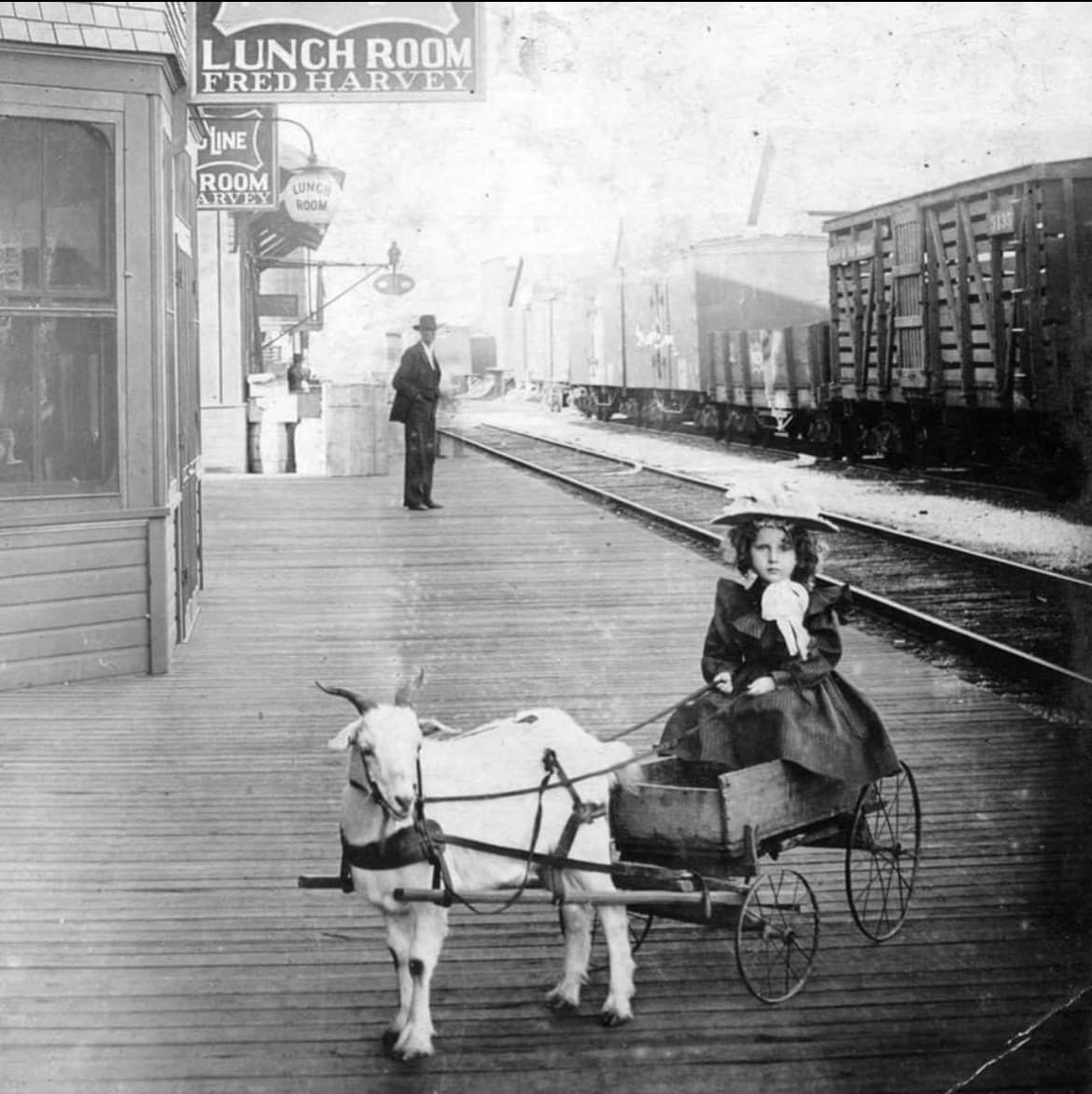
Girl with a Goat | Benton County Arkansas


Animal Safety

University Church Live Stream

LIVE LINK

Catholic Mass Schedule

Home Page


Blueberry Breakfast Soup

This content is accessible to paid subscribers. To view it please enter your password below or send mike@standardsmichigan.com a request for subscription details.

Layout mode
Predefined Skins
Custom Colors
Choose your skin color
Patterns Background
Images Background
Standards Michigan
error: Content is protected !!
Skip to content