Tag Archives: D2

Loading
loading..

2029 National Electrical Code

Public input on the 2029 Revision will be received until April 9th. Over the next weeks and months — typically meeting twice a day every Tuesday — we will pull forward our previous proposals and draft original proposals relevant to the education and healthcare electrotechnical infrastructure of educational settlements.  Link to Proposed Reorganization.


2029 National Electrical Code Panel 1

2029 National Electrical Code Panel 3


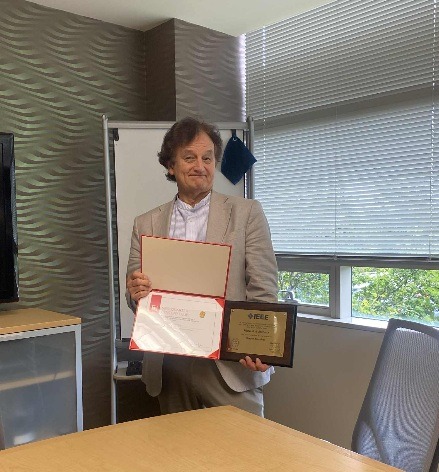
Photo at 2723 State Street Office*

Mike was part of the National Electrical Code Quarter Century Club but was at another conference and not able to receive the award at the June conference.  University of Michigan support began in 1993.  IEEE support began in 2014.

*New Office (a short walk across the street) starting October 1: 455 East Eisenhower, Ann Arbor, MI 48108


Current Issues and Recent Research

Today we examine Second Draft transcripts of the Special Equipment Chapter 6 (CMP-12) and product inspection, testing and certification listings that appear Annex A (CMP-1).


Once every eighteen months we spend a week drilling into the National Electrical Code by submitting new proposals or comments on proposed revisions.  Today we review the actions taken by the technical committees on the First Draft.   Responses to committee actions will be received until August 26th.

National Electrical Code CMP-18


Premise Wiring

Interconnected Electric Power Production Sources “Microgrids”

National Electrical Definitions

Kitchen Wiring

Solarvoltaic PV Systems

Hospital Plug Load

Data Center Wiring

Electrical Inspector Professional Qualifications

Critical Operations Power Systems

Arenas, Lecture Halls & Theaters

Appliances

Emergency and Standby Power Systems

Luminaires, Lampholders, and Lamps

Electric Vehicle Power Transfer System

Art, Design & Fashion Studios

Wiring for Luminaires in High Ceiling Occupancies

2028 National Electrical Safety Code

IEEE Standards Association Public Review

Related Issues and Recent Research | Federal Legislation

“Rain in Charleston” 1951 Thomas Fransioli

This title sets the standard of care for construction, operation and maintenance of power and telecommunication infrastructure on the supply side of the point of common coupling. It is the first title to contemplate when weather disasters happen; with most public utilities bound to its best practice assertions by statute. Pre-print of Change Proposals for changes to appear in 2028 Edition will be available by 1 July 2025; with 24 March 2026 as the close date for comments on proposed changes.

Project Introduction for the 2028 Edition (2:39 minutes)

NESC 2028 Revision Schedule

Changes proposals for the Edition will be received until 15 May 2024

Proposals for the 2028 National Electrical Safety Code

Project Workspace: Update Data Tables in IEEE Recommended Practice for the Design of Reliable Industrial and Commercial Power Systems
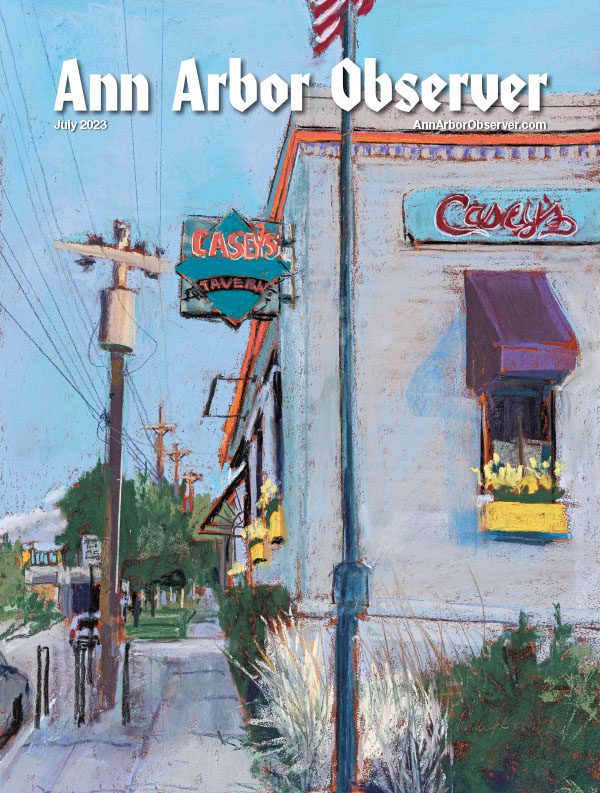
Painting by Linda Kortesoja Klenczar

Federal Energy Regulatory Commission: Electrical Resource Adequacy

Relevant Research

NARUC Position on NFPA (NEC) and IEEE (NESC) Harmonization

The standard of care for electrical safety at high and low voltage is set by both the NEC and the NESC. There are gaps, however (or, at best “gray areas”) — the result of two technical cultures: utility power culture and building fire safety culture. There is also tradition. Local system conditions and local adaptation of regulations vary. Where there is a gap; the more rigorous requirement should govern safety of the public and workers.

The 2023 National Electrical Safety Code (NESC)– an IEEE title often mistaken for NFPA’s National Electrical Code (NEC) — was released for public use about six months ago; its normal 5-year revision cycle interrupted by the circumstances of the pandemic.   Compared with the copy cost of the NEC, the NESC is pricey, though appropriate for its target market — the electric utility industry.  Because the 2023 revision has not been effectively “field tested” almost all of the available support literature is, effectively, “sell sheets” for pay-for seminars and written by authors presenting themselves as experts for the battalions of litigators supporting the US utility industry.  Without the ability to sell the NESC to prospective “insiders” the NESC would not likely be commercial prospect for IEEE.   As the lawsuits and violations and conformance interests make their mark in the fullness of time; we shall see the 2023 NESC “at work”.

IEEE Standards Association: Additional Information, Articles, Tools, and Resources Related to the NESC

Office of the President: Economic Benefits of Increasing Electric Grid Resilience to Weather Outages

Research Tracks:

NARUC Resolution Urging Collaboration Between the National Electrical Safety Code and the National Electrical Code

Reliability of Communication Systems needed for the autonomous vehicle transformation

  1. Smart Grid Technologies:
    • Investigating advanced technologies to enhance the efficiency, reliability, and sustainability of power grids.
  2. Energy Storage Systems:
    • Researching and developing new energy storage technologies to improve grid stability and accommodate intermittent renewable energy sources.
  3. Distributed Generation Integration:
    • Studying methods to seamlessly integrate distributed energy resources such as solar panels and wind turbines into the existing power grid.
  4. Grid Resilience and Security:
    • Exploring technologies and strategies to enhance the resilience of power grids against cyber-attacks, natural disasters, and other threats.
  5. Demand Response Systems:
  6. Advanced Sensors and Monitoring:
    • Developing new sensor technologies and monitoring systems to enhance grid visibility, detect faults, and enable predictive maintenance.
  7. Power Quality and Reliability:
    • Studying methods to improve power quality, reduce voltage fluctuations, and enhance overall grid reliability.
  8. Integration of Electric Vehicles (EVs):
    • Researching the impact of widespread electric vehicle adoption on the grid and developing smart charging infrastructure.
  9. Grid Automation and Control:
    • Exploring advanced automation and control strategies to optimize grid operations, manage congestion, and improve overall system efficiency.
  10. Campus Distribution Grid Selling and Buying 


Relevant Technical Literature

IEC 60050 International Electrotechnical Vocabulary (IEV) – Part 601: Generation, transmission and distribution of electricity | April 16

Recommended Practice for Battery Management Systems in Energy Storage Applications | Comments Due March 26

Medical electrical equipment: basic safety and essential performance of medical beds for children | April 26

Medical electrical equipment: basic safety and essential performance of medical beds for children | April 26


Standards:

Presentation | FERC-NERC-Regional Entity Joint Inquiry Into Winter Storm Elliott

IEEE Guide for Joint Use of Utility Poles with Wireline and/or Wireless Facilities

NESC Rule 250B and Reliability Based Design

NESC Requirements (Strength and Loading)

Engineering Analysis of Possible Effects of 2017 NESC Change Proposal to Remove 60′ Exemption

National Electrical Safety Code Workspace


Joint Use of Electric Power Transmission & Distribution Facilities and Equipment

A Framework to Quantify the Value of Operational Resilience for Electric Power Distribution Systems

August 14, 2003 Power Outage at the University of Michigan

Technologies for Interoperability in Microgrids for Energy Access


National Electrical Safety Code: Revision Cycles 1993 through 2023


February 24, 2023

The new code goes into effect 1 February 2023, but is now available for access on IEEE Xplore! Produced exclusively by IEEE, the National Electrical Safety Code (NESC) specifies best practices for the safety of electric supply and communication utility systems at both public and private utilities.  The bibliography is expanding rapidly:

NESC 2023: Introduction to the National Electrical Safety Code

NESC 2023: Rule Changes

NESC 2023Safety Rules for Installation and Maintenance of Overhead Electric Supply

NESC 2023Safety Rules for the Installation and Maintenance of Underground Electric Supply and Communication Lines

NESC 2023: Rules for Installation and Maintenance of Electric Supply Stations
IEEE Digital Library

Grid Edge Visibility: Gaps and a road map


October 31, 2022

The IEEE NESC technical committee has released a “fast track” review of proposed changes to fault-managed power system best practice:

CP5605 Provides a definition of new Fault Managed Power System (FMPS) circuits used for the powering of
communications equipment clearly defines what constitutes a FMPS circuit for the purposes of application of the NESC
Rules of 224 and 344
https://ieee-sa.imeetcentral.com/p/eAAAAAAASPXtAAAAADhMnPs

CP5606 Provides new definitions of Communication Lines to help ensure that Fault Managed Power Systems (FMPS)
circuits used for the exclusive powering of communications equipment are clearly identified as communications lines
and makes an explicit connection to Rule 224B where the applicable rules for such powering circuits are found.
https://ieee-sa.imeetcentral.com/p/eAAAAAAASPXpAAAAAFfvWIs

CP5607 The addition of this exception permits cables containing Fault Managed Power System (FMPS) circuits used for
the exclusive powering of communications equipment to be installed without a shield.
https://ieee-sa.imeetcentral.com/p/eAAAAAAASPXuAAAAAEEt3p4

CP5608 The addition of this exception permits cables containing Fault Managed Power System (FMPS) circuits used for
the exclusive powering of communications equipment to be installed without a shield.
https://ieee-sa.imeetcentral.com/p/eAAAAAAASPXvAAAAAGrzyeI

We refer them to the IEEE Education & Healthcare Facilities Committee for further action, if any.


August 5, 2022

We collaborate closely with the IEEE Education & Healthcare Facilities Committee (IEEE E&H) to negotiate the standard of care for power security on the #SmartCampus  since many campus power systems are larger than publicly regulated utilities.  Even when they are smaller, the guidance in building the premise wiring system — whether the premise is within a building, outside the building (in which the entire geography of the campus footprint is the premise), is inspired by IEEE Standards Association administrated technical committees.
Northeast Community College | Norfolk, Nebraska

Today we begin a list of noteworthy changes to be understood in the next few Power colloquia.  See our CALENDAR for the next online meeting.

  1. New rules 190 through 195 cover photovoltaic generating stations.  Rule 116c adds an exception for short lengths of insulated power cables and short-circuit protection if the situation involves fewer than 1,000 volts.
  2. Rule 320B has been revised to clarify separations that apply to communications and supply in different conduit systems.
  3. Table 410-4 is based on the latest arc flash testing on live-front transformers.
  4. Rule 092A adds an exception allowing protection, control, and safety battery systems to not be grounded.
  5. Rules 234 B1, C1, D1 were revised to better present vertical and horizontal wind clearances, and to coordinate requirements with the new Table 234-7.
  6. Rule 120A was revised to provide correction factors for clearances on higher elevations.
  7. Table 253-1 has been revised to reduce the load factor for fiber-reinforced polymer components under wire tension—including dead ends—for Grade C construction.
  8. Rule 410A now requires a specific radio-frequency safety program for employees who might be exposed.
  9. In the Clearances section, as well as in the specification of the Grade of Construction in Table 242-1, the Code further clarifies the use of non-hazardous fiber optic cables as telecom providers continue to expand their networks.
  10. Revisions in the Strength & Loading sections include modified Rule 250C, which addresses extreme wind loading for overhead lines. Two wind maps are now provided instead of the previous single one. A map for Grade B, the highest grade of construction, with a Mean Recurrence Interval (MRI) of 100 years (corresponding to a one percent annual probability of occurrence) is provided in place of the previous 50–90-year MRI map. For Grade C construction, a separate 50-year MRI (two percent annual probability of occurrence) map is now provided. In the previous Code, a factor was applied to the 50–90-year MRI map for application to Grade C.
  11. Changes were also made to the method of determining the corresponding wind loads, consistent with the latest engineering practices as an example of a Code revision focused on public safety, the ground end of all anchor guys adjacent to regularly traveled pedestrian thoroughfares, such as sidewalks, and similar places where people can be found must include a substantial and conspicuous marker to help prevent accidents. The previous Code did not require the marking of every such anchor guy.
  12. Significant revisions were made in Section 14 covering batteries. Previous editions of the code were based on lead-acid technology and batteries only used for backup power. The 2023 Code incorporates the new battery technologies and addresses energy storage and backup power.
  13. A new Section 19 of the code covers photovoltaic generating stations, with sections addressing general codes, location, grounding configurations, vegetation management, DC overcurrent protection, and DC conductors. These new rules accommodate large-scale solar power projects.
  14. In the Clearances section, all rules for wireless antenna structures have been consolidated in the equipment section (Rule 238 and 239), which makes the Code more user-friendly.
  15. A new subcommittee was created focusing on generating stations, with the original subcommittee continuing to address substations.
  16. A working group is investigating Fault Managed Power Systems (FMPS) cables as the technology may be used for 5G networks. The team is looking at possible impacts, including clearances and work rules.


February 18, 2021


Several proposals recommending improvements to the 2017 National Electrical Safety Code (NESC) were submitted to the IEEE subcommittees drafting the 2022 revision of the NESC.   Some of the proposals deal with coordination with the National Electrical Code — which is now in its 2023 revision cycle.  Keep in mind that that NESC is revised every 5 years at the moment; the NEC is revised every 3 years.

The original University of Michigan standards advocacy enterprise has been active in writing the NESC since the 2012 edition and set up a workspace for use by electrical professionals in the education industry.   We will be using this workspace as the 2022 NESC continues along its developmental path:

IEEE 2022 NESC Workspace

The revision schedule — also revised in response to the circumstances of the pandemic — is linked below::

NESC 2023 Edition Revision Schedule*


The NESC is a standing item on the 4-times monthly teleconferences of the IEEE Education & Healthcare Facilities committee.  The next online meeting is shown on the top menu of the IEEE E&H website:

IEEE E&H Committee

We have a copy of the first draft of the 2023 NESC and welcome anyone to join us for an online examination during any of Power & ICT teleconferences.  See our CALENDAR for the next online meeting.

Business unit leaders, facility managers and electrical engineers working in the education facilities industry may be interested in the campus power system reliability database.   Forced outages on large research campuses, for example, can have enterprise interruption cost of $100,000 to $1,000,000 per minute.    The campus power system forced outage database discriminates between forced outages attributed to public utility interruptions and forced outages attributed to the university-owned power system.   The E&H committee will convey some of the discipline applied by the IEEE 1366 technical committee into its study of campus power systems and, ultimately, setting a benchmark for the standard of care for large university power systems.


* The IEEE changed the nominal date of the next edition; likely owed to pandemic-related slowdown typical for most standards developing organizations.

Issue: [16-67]

Contact: Mike Anthony, Robert G. Arno, Lorne Clark, Nehad El-Sharif, Jim Harvey, Kane Howard, Joe Weber, Guiseppe Parise, Jim Murphy

Category: Electrical, Energy Conservation & Management, Occupational Safety

ARCHIVE: University of Michigan Advocacy in the NESC 2007 – 2017


LEARN MORE:

P1366 – Guide for Electric Power Distribution Reliability Indices 

University Design Guidelines that reference the National Electrical Safety Code

 

Healthcare Facilities Code

“The Doctor”  1891 Sir Luke Fildes

The NFPA 99 Healthcare Facilities Code committee develops a distinct consensus document (i.e. “regulatory product”) that is distinct from National Electrical Code Article 517; though there are overlaps and gaps that are the natural consequence of changing technology and regulations.  It is worthwhile reviewing the scope of each committee:

NFPA 99 Scope: This Committee shall have primary responsibility for documents that contain criteria for safeguarding patients and health care personnel in the delivery of health care services within health care facilities: a) from fire, explosion, electrical, and related hazards resulting either from the use of anesthetic agents, medical gas equipment, electrical apparatus, and high frequency electricity, or from internal or external incidents that disrupt normal patient care; b) from fire and explosion hazards; c) in connection with the use of hyperbaric and hypobaric facilities for medical purposes; d) through performance, maintenance and testing criteria for electrical systems, both normal and essential; and e) through performance, maintenance and testing, and installation criteria: (1) for vacuum systems for medical or surgical purposes, and (2) for medical gas systems; and f) through performance, maintenance and testing of plumbing, heating, cooling , and ventilating in health care facilities.

NFPA 70 Article 517 Scope:  The provisions of this article shall apply to electrical construction and installation criteria in healthcare facilities that provide services to human beings.  The requirements in Parts II and III not only apply to single-function buildings but are also intended to be individually applied to their respective forms of occupancy within a multi-function building (e.g. a doctor’s examining room located within a limited care facility would be required to meet the provisions of 517.10)   Informational Note: For information concerning performance, maintenance, and testing criteria, refer to the appropriate health care facilities documents.

In short, NFPA 70 Article 517 is intended to focus only on electrical safety issues though electrotechnology complexity and integration in healthcare settings (security, telecommunications, wireless medical devices, fire safety, environmental air control, etc.) usually results in conceptual overlap with other regulatory products such as NFPA 101 (Life Safety Code) and the International Building Code.

Several issues were recently debated by the Article 517 technical committee during the 2023 National Electrical Code Second Draft meetings

  • The conditions under which reconditioned electrical equipment be installed in healthcare settings; contingent on listing and re-certification specifics.
  • Relaxation of the design rules for feeder and branch circuit sizing through the application of demand factors.
  • Application of ground fault circuit interrupters.
  • “Rightsizing” feeder and branch circuit power chains (Demand factors in Section 517.22)
  • Patient care space categories
  • Independence of power sources (517.30)

There are, of course, many others, not the least of which involves emergency management.  For over 20 years our concern has been for the interdependency of water and electrical power supply to university hospitals given that many of them are part of district energy systems.

We need to “touch” this code at least once a month because of its interdependence on other consensus products by other standards developing organizations.  To do this we refer NFPA 99 standards action to the IEEE Education & Healthcare Facilities Committee which meets online four times monthly in European and American time zones.

The transcript of NEC Article 517 Public Input for the 2023 revision of NFPA 70 is linked below.  (You may have to register your interest by setting up a free-access account):

Code-Making Panel 15 (NEC-P15) Public Input Report

Code-Making Panel 15 (NEC-P15) Public Comment Report

Technical committees will meet in June to endorse the 2023 National Electrical Code.

Public consultation on the Second Draft closes May 31st. Landing page for selected sections of the 2024 revision  of NFPA 99 are linked below:

Electrical Systems (HEA-ELS)

Fundamentals (HEA-FUN)

Health Care Emergency Management and Security (HEA-HES)

Second Draft Comments are linked below:

Electrical Systems (HEA-ELS)

Fundamentals (HEA-FUN)

Health Care Emergency Management and Security (HEA-HES)

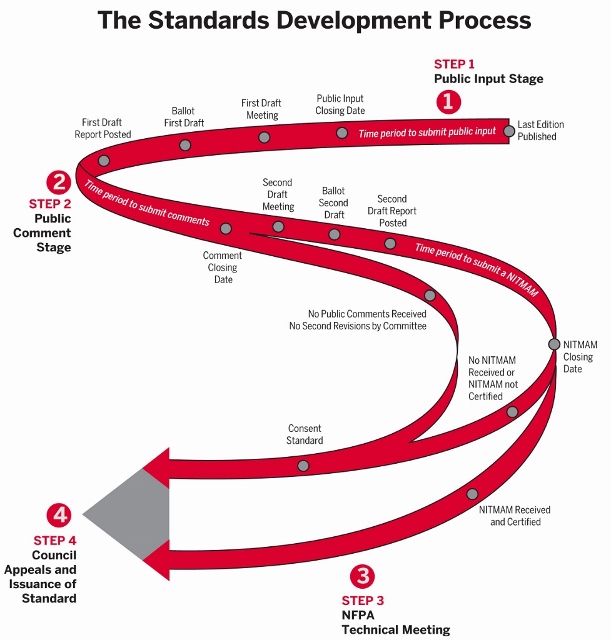
NITMAM closing date: March 28, 2023

We break down NFPA 70 and NFPA 99 together and keep them on the standing agenda of both our Power and Health colloquia; open to everyone.  See our CALENDAR for the next online meeting.

"The trained nurse has become one of the great blessings of humanity, taking a place beside the physician and the priest" - William Osler"While we try to teach our children all about life, our children teach us what life is all about" - Angela Schwindt "The true art of pediatrics lies not only in curing diseases but also in preventing them" - Abraham JacobiGermany

Issues: [12-18, [15-97] and [16-101]

Contact: Mike Anthony, Jim Harvey, Robert Arno, Josh Elvove, Joe DeRosier, Larry Spielvogel

NFPA Staff Liaison: Jonathan Hart

Archive / NFPA 99


Children’s Hospital Neonatal Intensive Care

Some of the common electro-technologies used in a neonatal care unit include:

  • Incubators: These temperature-controlled units create a controlled environment to keep premature or sick infants warm and protected.
  • Ventilators: Mechanical ventilators assist newborns with respiratory distress by delivering oxygen and helping them breathe.
  • Monitors: These devices track vital signs such as heart rate, oxygen levels, blood pressure, and temperature to ensure the baby’s health and detect any abnormalities.
  • Phototherapy Lights: Special lights are used to treat jaundice in newborns, helping to break down excess bilirubin in the blood.
  • Intravenous Pumps: These pumps are used to deliver medications, fluids, and nutrients directly into the baby’s bloodstream.
  • Feeding Tubes: For infants who are unable to feed orally, feeding tubes are used to deliver breast milk or formula directly into their stomach.
  • Blood Gas Analyzers: These machines measure the levels of oxygen, carbon dioxide, and other gases in a baby’s blood to monitor respiratory status and acid-base balance.
  • Infusion Pumps: Used to administer controlled amounts of fluids, medications, or nutrients to newborns.
  • CPAP/BiPAP Machines: Continuous Positive Airway Pressure (CPAP) and Bi-level Positive Airway Pressure (BiPAP) machines help newborns with breathing difficulties by providing a continuous flow of air pressure.
  • Neonatal Resuscitation Equipment: This includes equipment such as resuscitation bags, endotracheal tubes, laryngoscopes, and suction devices used during emergency situations to assist with newborn resuscitation.

It’s important to note that specific tools and equipment may vary depending on the level of neonatal care provided by the unit, the needs of the infants, and the policies of the healthcare facility.

Neonatal care, as a specialized field, has been shaped by the contributions of several pioneers in medicine. Here are a few notable figures who have made significant advancements in neonatal care:

  • Dr. Virginia Apgar was an American obstetrical anesthesiologist who developed the Apgar score in 1952. The Apgar score is a quick assessment tool used to evaluate the overall health of newborns immediately after birth. It assesses the baby’s heart rate, respiratory effort, muscle tone, reflex irritability, and color, providing valuable information for prompt intervention and monitoring.
  • Dr. Martin Couney, a pioneering physician, established incubator exhibits at world fairs and amusement parks in the early 20th century. He promoted the use of incubators to care for premature infants and played a significant role in popularizing the concept of neonatal intensive care.
  • Dr. Virginia A. Apgar, an American pediatrician and neonatologist, made significant contributions to the field of neonatology. She specialized in the care of premature infants and conducted extensive research on neonatal resuscitation and newborn health. She also developed the Apgar scoring system, although unrelated to Dr. Virginia Apgar mentioned earlier.
  • Dr. Lula O. Lubchenco was an influential researcher and neonatologist who made important contributions to the understanding of newborn growth and development. She developed the Lubchenco Growth Chart, which provides a standardized assessment of a newborn’s size and gestational age, aiding in the identification and monitoring of growth abnormalities.
  • Dr. Mary Ellen Avery was a renowned American pediatrician and researcher whose work focused on understanding and treating respiratory distress syndrome (RDS) in premature infants. She identified the importance of surfactant deficiency in RDS and contributed to the development of surfactant replacement therapy, revolutionizing the care of preterm infants.

These individuals, among many others, have played pivotal roles in advancing the field of neonatal care, improving the understanding, diagnosis, treatment, and overall outcomes for newborn infants.

Healthcare Facilities Code

IEEE  Education & Healthcare Facility Electrotechnology


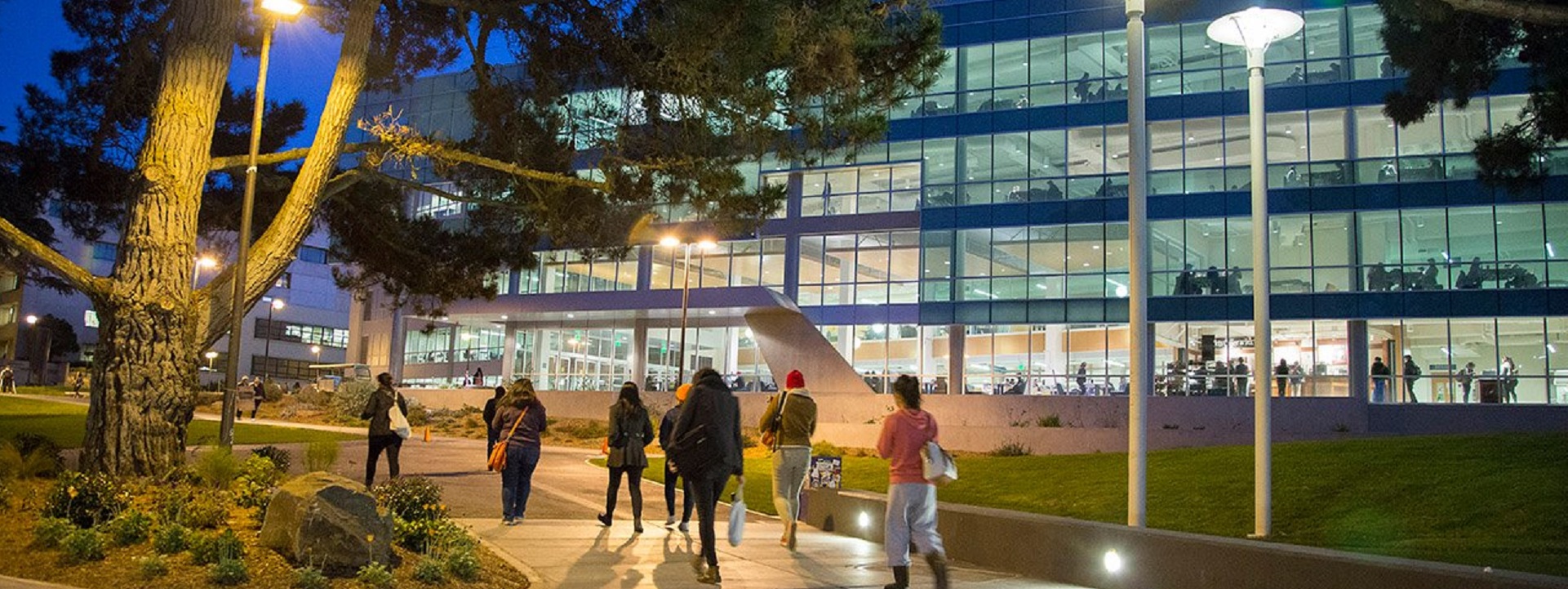
Pathway Illumination

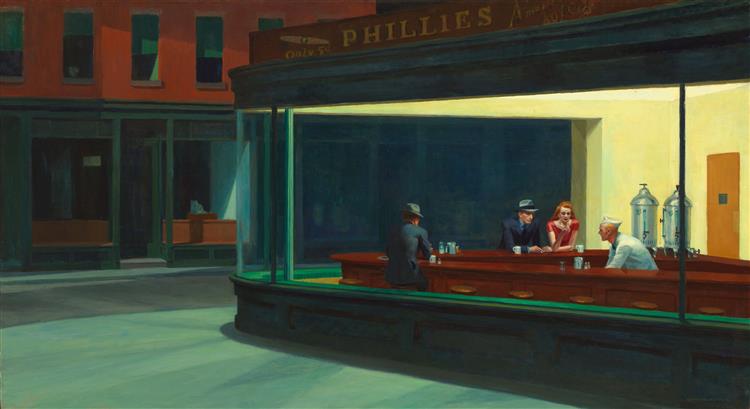
“Nighthawks” 1942 Edward Hopper

The Illumination Engineering Society is one of the first names in standards-setting organizations with a catalog routinely referenced in design guidelines and construction projects.  Because of the money flow into illumination technologies worldwide the IES occupies a domain that is relatively crowded:

  • National Electrical Manufacturers and Medical Imaging Association; whose interest lies in leveling the playing field for about 300 electrical equipment manufacturers
  • Institute for Electrical and Electronic Engineers; whose interest lies in the research activity in seeing sciences, the luminescence sources and the power chain
  • American Society of Heating and Refrigeration Engineers; whose interest lies in energy conservation
  • National Fire Protection Association; whose interest lies in fire safety of lighting systems within building premises.
  • International Code Council; whose interest lies in pulling together all of the relevant standards for lighting egress paths of the built environment
  • International Electrotechnical Commission; whose interest lies in the administration of global electrical and electronic technologies
  • International Commission on Illumination; the international authority on light, illumination, colour, and colour spaces

There are others.  With illumination power requirement on a downward trajectory where footcandles can be driven at information & communication technology voltage and current levels; we find relatively new entrants into the market with deep pockets and for good reason.  In a typical building, the interior lighting load is the major electrical load (on the order of 40 percent) and a major contributor to the functionality of the building.  There are a number of other trade associations that are participants in research and open source standards for faster moving parts of the illumination science.  We will cover these in future, related posts.

Last year a new standardization project was launched by the IES. From the project prospectus:

IES LP-2-201x, Designing Quality Lighting for People in Outdoor Environments (new standard)

Project Need: This document is not intended to supersede existing IES application RPs, rather it will link the various documents together, augmenting them in subject areas not otherwise covered, including but not limited to sidewalks, bikepaths, pedestrian paths, parks, outdoor malls, pedestrian-only business districts, plazas, amphitheaters, large outdoor gathering areas, campuses, pedestrian bridges, and pedestrian underpasses.

Stakeholders: Lighting practitioners, electrical engineers, civic planners, civil engineers, architects, community-based planning groups, general public.  Lighting recommendations for non-vehicular pedestrian applications using recommendations beyond illuminance only, which ultimately fails to provide a complete guideline for the visual experience of pedestrian-based tasks. The RP will be a comprehensive approach for light levels, glare, adaptation, spectrum, and contrast while addressing safety, timing, and perceived security. Application of these recommendations will ultimately enhance the pedestrian’s visual experience while also respecting the environment.

Soon to be released, a related product covering technical specifics of a familiar battleground — lighting controls:

IES LP-12 Lighting Practice: IoT Connected Lighting

The consultation closed May 24th and the agenda of the committee writing this standard is being administered.  Very often technical committees are receptive to new ideas after a comment deadline if those ideas are submitted to a committee member directly.   We invite anyone with an interest in this topic to click in to any of our daily colloquia to begin that process.

Not far into the future: individually controlled luminaires responsive to the use of campus pathways.  There are already some pilot projects on higher education campuses.

IES Standards in Public Review

A few other technical committees relevant to educational communities should be identified, though we will sort through the standards setting activity in separate posts:

Edu-Lib-Ofc Lighting Committee

Outdoor Environmental Lighting Committee

Outdoor Public Spaces Committee

Roadway Lighting Committee  (Many large research universities own miles of roads)

We always encourage direct participation by space planners, workpoint experts and academic unit facility managers in IES standards development process.  Contact: Patricia McGillicuddy, (917) 913-0027, pmcgillicuddy@ies.org. 120 Wall Street, Floor 17, New York, NY.

We  coordinate most of our electrotechnology standards advocacy with the IEEE Education & Healthcare Facilities Committee which meets 4 times monthly in European and American time zones.  Its meeting agendas and login credentials are available on its website.   Since illumination technologies are present in all spaces in education communities, IES consensus products will appear on the standing agenda of most disciplines.  See our CALENDAR.

Issue: [19-50]

Category: Electrical, Space Planning

Colleagues: Mike Anthony, Jim Harvey, Kane Howard, Glenn Keates, George Reiher

*We find that when the SSO has heavy manufacturer support, its standards development facility lies in the upper-quality tier.

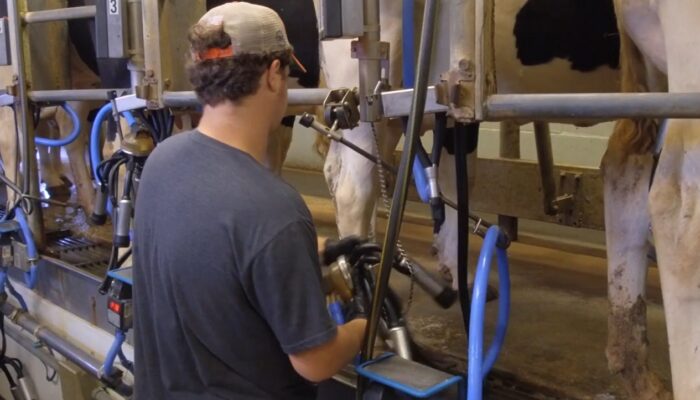
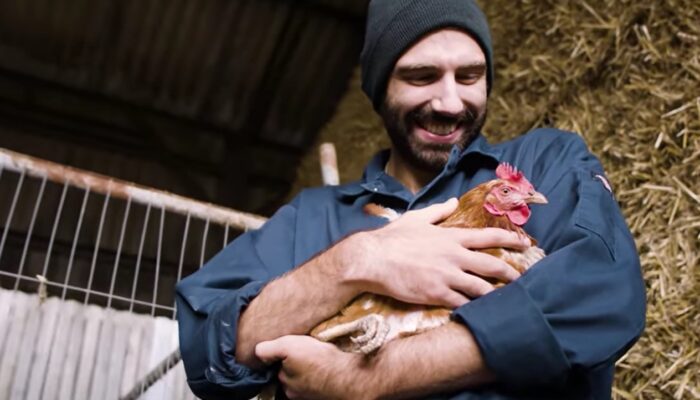
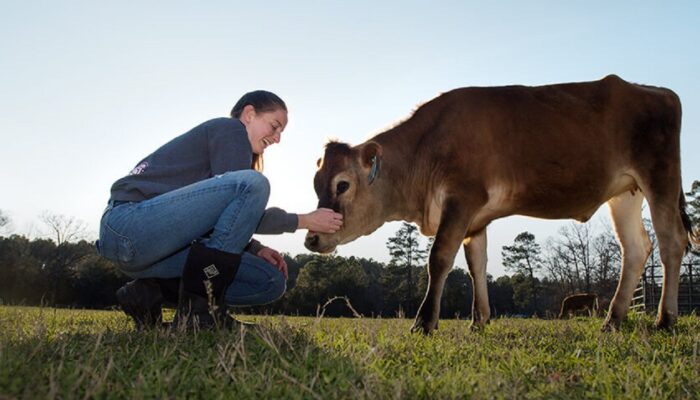
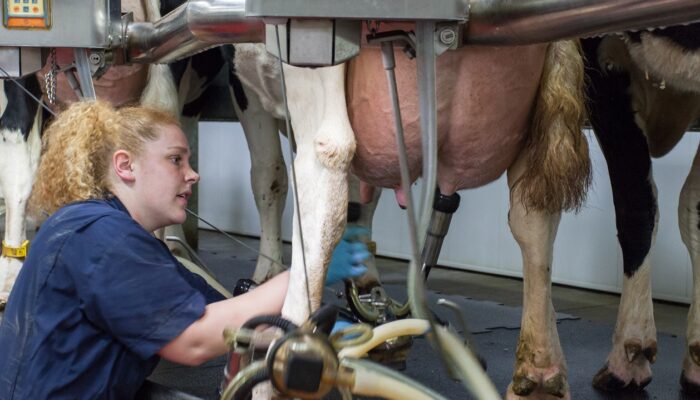
Farm Electrical Power

Many land grant colleges and universities are stewards of agricultural facilities that require reliable electrical power that is safe and sustainable for livestock well off the core campus distribution grid. Today we examine the 2026 National Electrical Code safe electric service rules with an eye toward the close date of April 6th for public input on the 2029 NEC.

2029 National Electrical Code


Updated: September 3, 2024

ACTION ITEMS:

Article 547: Agricultural Buildings

Public Input with Responses from CMP-7 (Start at PDF Page 187)

Public Input with Responses from CMP-2 Article 220 Part V: Farm Load Calculations (Start at PDF Page 28)

Related: National Electrical Safety Code (Higher Voltage Distribution Wiring from Merchant Utility to Off-Campus Agricultural Outbuildings)

Sunday, Animal, Farm, Agri august

Many land grant colleges and universities are stewards of agricultural facilities that require reliable electrical power that is safe and sustainable for livestock and animal habitat for sporting.

FREE ACCESS: 2023 National Electrical Code

The premise wiring rules for hazardous university owned buildings have been relatively stable.  Electrical professionals are guided by:

  1. Farm Load Calculations of Part V of Article 220,
  2. Corrosion mitigation with appropriate specification of power chain wiring
  3. Stray voltage and the equipotential plane
  4. Interactivity with regulated utility power sources.

Public response to the First Draft of the 2026 National Electrical Code will be received until August 28, 2024.  We coordinate our approach to the entire NFPA electrical suite with the IEEE Education & Healthcare Facilities Committee which meets 4 times monthly.  We typically refer to previous transcripts of technical committee actions to inform any changes (improvements) that we propose, if any.

National Electrical Code CMP-18

We maintain this issue on the standing agenda of our Power and Nourriture (Food) colloquia.  Feel free to join us with the login credentials at the upper right of our home page.


More:

2028 National Electrical Safety Code

Stray Voltage: Sources and Solutions

University of Nebraska: G87-845 Electrical Systems for Agricultural Buildings (Recommended Practices)

Cornell University Agricultural Safety and Health Program

Mike Holt

Fred Hartwell

National Safety Council  (22 deaths by electrocution on farms per 100,000 in 2017)

National Agricultural  Safety Database


Electric Service Metering & Billing

Electrical Safety

Today at 16:00 UTC we review best practice for engineering and installing the point of common coupling between an electrical service provider its and an purchasing — under the purview of NEC CMP-10.

Committee topical purviews change cycle-to-cycle.  Here’s the transcript for today’s session:  CMP-10 Second Draft Report (368 pages)

Use the login credentials at the upper right of our home page.

The relevant passages of the National Electrical Code are found in Article 230 and Article 495.  We calibrate our attention with the documents linked below.  These are only representative guidelines:

University of Michigan Medium Voltage Electrical Distribution

Texas A&M University Medium Voltage Power Systems

University of Florida Medium Voltage Electrical Distribution

Representative standards for regulated utilities for purchased power:

Detroit Edison Primary Service Standards (Green Book)

American Electric Power: Requirements for Electrical Services

Pacific Gas & Electric Primary Service Requirements

The IEEE Education & Healthcare Facilities Committee curates a library of documents similar to those linked above.

Design of Electrical Services for Buildings

We are in the process of preparing new (original, and sometimes recycled) proposals for the 2026 National Electrical Code, with the work of Code Panel 10 of particular relevance to today’s topic:

National Electrical Code CMP-18

First Draft Meetings: January 15-26, 2024 in Charleston, South Carolina


Electrical meter billing standards are generally regulated at the state or local level, with guidelines provided by public utility commissions or similar regulatory bodies.  These tariff sheets are among the oldest in the world.  There are some common standards for billing and metering practices, including:

  1. Meter Types: There are various types of meters used to measure electricity consumption, including analog (mechanical) meters, digital meters, and smart meters. Smart meters are becoming more common and allow for more accurate and real-time billing.
  2. Billing Methodology:
    • Residential Rates: Most residential customers are billed based on kilowatt-hours (kWh) of electricity used, which is the standard unit of energy.
    • Demand Charges: Some commercial and industrial customers are also subject to demand charges, which are based on the peak demand (the highest amount of power drawn at any one point during the billing period).
    • Time-of-Use Rates: Some utilities offer time-of-use (TOU) pricing, where electricity costs vary depending on the time of day or season. For example, electricity may be cheaper during off-peak hours and more expensive during peak hours.
  3. Meter Reading and Billing Cycle:
    • Monthly Billing: Typically, customers receive a bill once a month, based on the reading of the electricity meter.
    • Estimation: If a meter reading is not available, some utilities may estimate usage based on historical patterns or average usage.
    • Smart Meter Readings: With smart meters, some utilities can provide daily or even hourly usage data, leading to more precise billing.
  4. Meter Standards: The standards for electrical meters, including their accuracy and certification, are set by national organizations like the National Institute of Standards and Technology (NIST) and the American National Standards Institute (ANSI). Meters must meet these standards to ensure they are accurate and reliable.
  5. Utility Commission Regulations: Each state has a utility commission (such as the California Public Utilities Commission, the Texas Public Utility Commission, etc.) that regulates the rates and billing practices of electricity providers. These commissions ensure that rates are fair and that utilities follow proper procedures for meter readings, billing cycles, and customer service
  6. Large University “Utilities”.   Large colleges and universities that generate and distribute some or all of their electric power consumption have developed practices to distribute the cost of electricity supply to buildings.  We will cover comparative utility billing practices in a dedicated colloquium sometime in 2025.

Michigan Public Service Commission | Consumer’s Energy Customer Billing Rules

Layout mode
Predefined Skins
Custom Colors
Choose your skin color
Patterns Background
Images Background
Standards Michigan
error: Content is protected !!
Skip to content