

Category Archives: Food/Kitchen/Farm/Agriculture
- Home
- Archive by category "Food/Kitchen/Farm/Agriculture" (Page 2)

loading...


Farm Electrical Power
Many land grant colleges and universities are stewards of agricultural facilities that require reliable electrical power that is safe and sustainable for livestock well off the core campus distribution grid. Today we examine the 2026 National Electrical Code safe electric service rules with an eye toward the close date of April 6th for public input on the 2029 NEC.
Updated: September 3, 2024
Article 547: Agricultural Buildings
Public Input with Responses from CMP-7 (Start at PDF Page 187)
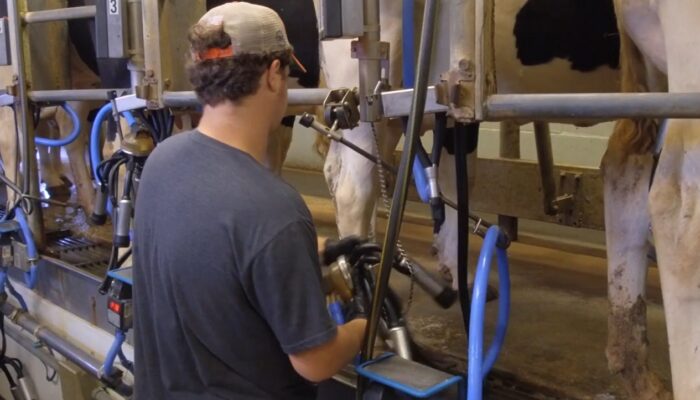

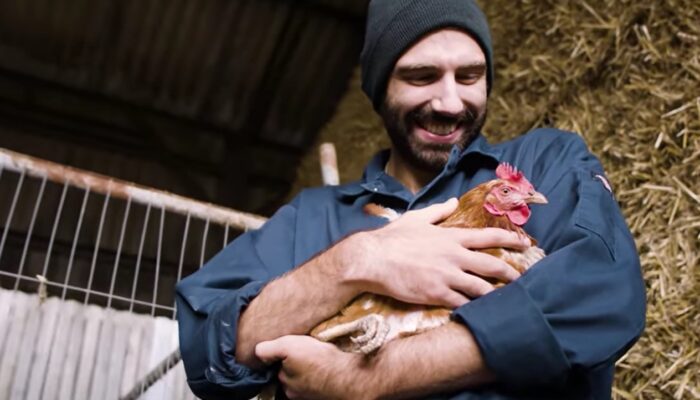

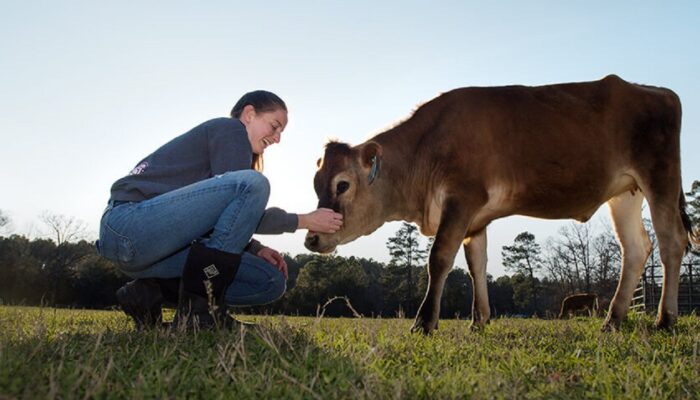
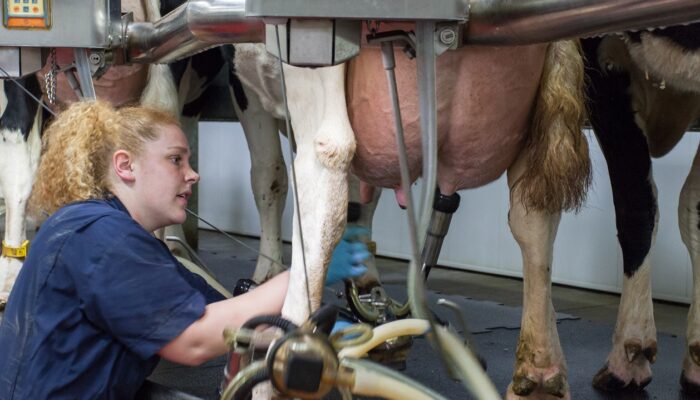


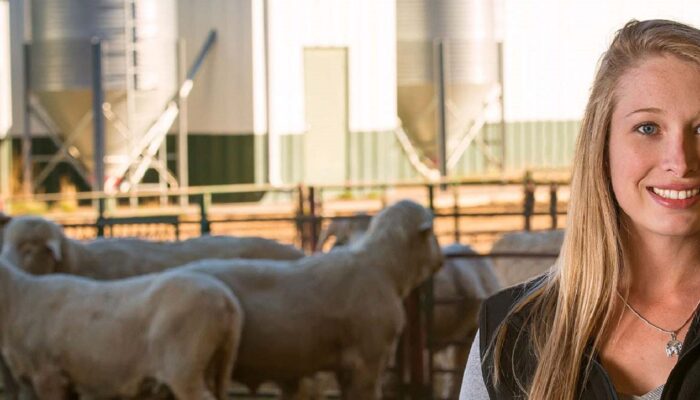

Many land grant colleges and universities are stewards of agricultural facilities that require reliable electrical power that is safe and sustainable for livestock and animal habitat for sporting.
FREE ACCESS: 2023 National Electrical Code
The premise wiring rules for hazardous university owned buildings have been relatively stable. Electrical professionals are guided by:
- Farm Load Calculations of Part V of Article 220,
- Corrosion mitigation with appropriate specification of power chain wiring
- Stray voltage and the equipotential plane
- Interactivity with regulated utility power sources.
Public response to the First Draft of the 2026 National Electrical Code will be received until August 28, 2024. We coordinate our approach to the entire NFPA electrical suite with the IEEE Education & Healthcare Facilities Committee which meets 4 times monthly. We typically refer to previous transcripts of technical committee actions to inform any changes (improvements) that we propose, if any.
We maintain this issue on the standing agenda of our Power and Nourriture (Food) colloquia. Feel free to join us with the login credentials at the upper right of our home page.
More:
Cornell University Agricultural Safety and Health Program
National Safety Council (22 deaths by electrocution on farms per 100,000 in 2017)
National Agricultural Safety Database
Electrical Wiring for Barns, Riding Arenas, Animal Habitat and Feed Storage


International Fire Code
2024 International Fire Code | Free Access
Crosswalk: NFPA Fire Code and ICC International Fire Code
Not to worry, I have a permit. pic.twitter.com/SUp9ztTH2g
— Emily Laudin (@EmilyLaudin) August 4, 2024
2024 GROUP A PROPOSED CHANGES TO THE I-CODES based on Committee Action Hearings October 2024
2024 GROUP A PROPOSED CHANGES TO THE I-CODES
2024/2025/2026 ICC CODE DEVELOPMENT SCHEDULE
ICC BCAC | Comments to be presented at October Hearings
Noteworthy Proposals:
IFC 1010.27 Locking arrangements, PDF page 252
IFC 1020.2 Corridor Fire Resistance Ratings. PDF page 356
IFC 915 More Carbon Monoxide Detection Systems, PDF page 1156
IBC 917 Mass notification for Group E occupancies, PDF page 1176
IFC 5701 More Process Hazard Analysis, PDF page 1571
The transcript (Complete Monograph) of Committee Actions should be available by September 5th.
Committee Action Hearings on Proposed Changes: October 23-31 Long Beach, California
_Mauritshuis_171.jpg)
“A Square with Imaginary Buildings” | Hendrik van Steenwijck (1614)

“Waking Effectiveness of Alarms for Adults Who Are Hard of Hearing” 2007 Victoria University, Australia
Health Facilities: Navigating IBC and NFPA differences
Posted February 14, 2023
Free access to the latest edition of the IFC is linked below:
Following the ICC Group A revision cycle public consultation on the 2024 International Fire Code will begin. The ICC will announce the development schedule sometime in 2022.
We limit our resources simply tracking the proposals that run through Group E (Educational) and Group I (Institutional) occupancies in the Group A suite with closer attention to the state they are adopted whole cloth or with local exceptions. In many cases, IFC adoption by state and local authorities is delayed by one or more previous code revisions. This delay in adoption may be necessary in order for jurisdictions to evaluate the impact of changes upon the region under their authority.
Public safety budgets historically support the local and state fire marshal and his or her staff. The revenue stream of many trade associations originates from membership, conference attendance, training and certification enterprises that service the public sector stakeholder. Manufacturer sponsorship of trade association conferences is noteworthy.
Unless there is an idea, or proposed regulation that has run off the rails (either in terms of rigor or cost increase) — we place fire safety in the middle of our ranking of priorities. With gathering pace, we find many fires safety goals being met with electrotechnologies where we place our highest priority.
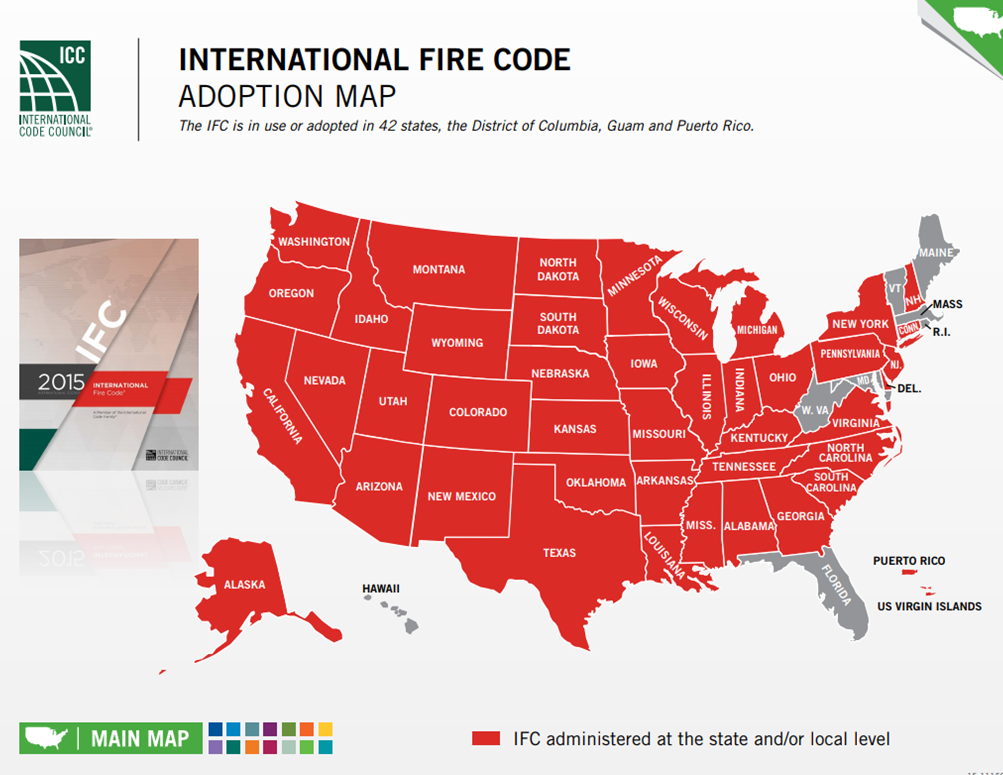
Click on image for more information. The map is updated by expert agencies frequently so we recommend a web search for an update.
Significant code changes rarely happen within a 3-year cycle so it is wise to follow ideas as they travel through the agendas of technical committees through several cycles as administered by the Fire Code Action Committee.
The ICC posts the transcripts of public proposals, technical committee responses to public proposals, public response to the technical committee response and the final balloting in a fair and reasonable fashion as can be seen in the transcripts linked below:
2021 International Fire Code Proposed Changes
2021 International Fire Code Public Comment Agenda
A search on the terms “classroom” or “school” in any of the documents above offers granular insight into the trend of current thinking. We find fire extinguishers placement a perennial concern across several standards suites. You will note the careful consideration of proposals for use of the mass notification systems, now integrated into fire alarm systems and their deployment in active shooter situations.
The transcripts reveal detailed understanding and subtlety.

“The Country School” | Winslow Homer
There are many issues affecting the safety and sustainability of the education facility industry. We add value to the industry because of our cross-cutting perspective on the hundreds of “silos”created by the competition (and sometimes cooperation) among accredited, consortia and open-source standards developers. We have the door open every day at 11 AM Eastern time to enlighten understanding of them all. We also host a breakout teleconference every month to drill into the specifics of standards action on fire safety for the real assets of school districts, colleges and universities. See our CALENDAR for the next online meeting.
Finally, we persist in encouraging education industry facility managers (especially those with operations and maintenance data) to participate in the ICC code development process. You may do so by CLICKING HERE.
The ICC Group B Code Meetings will be hosted soon and open to the public:
The Group B tranche is largely focused on energy, structural, residential and existing building concepts but all of the titles cross-reference the IFC in some way so it is wise to follow how the concepts re-arrange and cross-reference themselves with each cycle.
Issue: [16-169]
Category: Architectural, Facility Asset Management, Space Planning
Colleagues: Mike Anthony, Casey Grant, Joshua Evolve, Marcelo Hirschler
More
2021/2022 ICC CODE DEVELOPMENT SCHEDULE
FINAL ACTION RESULTS ON THE 2018 PROPOSED CHANGES TO THE INTERNATIONAL CODES – GROUP A
2018 GROUP A PROPOSED CHANGES TO THE I-CODES COLUMBUS COMMITTEE ACTION HEARINGS
2018 GROUP A PUBLIC COMMENT AGENDA | INTERNATIONAL BUILDING CODE
2018 GROUP A PUBLIC COMMENT AGENDA | INTERNATIONAL FIRE CODE
2018 REPORT OF THE COMMITTEE ACTION HEARINGS ON THE 2018 EDITIONS OF THE GROUP A INTERNATIONAL CODES

Bourbon Research
I didn’t know that🤔 pic.twitter.com/rMT3X2fCN0
— Alix (@AlixG_2) August 17, 2024
Greg Gutfeld and guests discuss how President Biden’s alcohol czar is warning that new guidance could be only two beers a week

Farmer’s Dinner Theatre

“Kentucky Landscape” 1832 James Pierce Barton
This project was created a few years ago in Kentucky to bring awareness to farm safety through a dinner theatre is continuing to gain momentum in rural communities. The focus now is more on farm mental health and wellness.
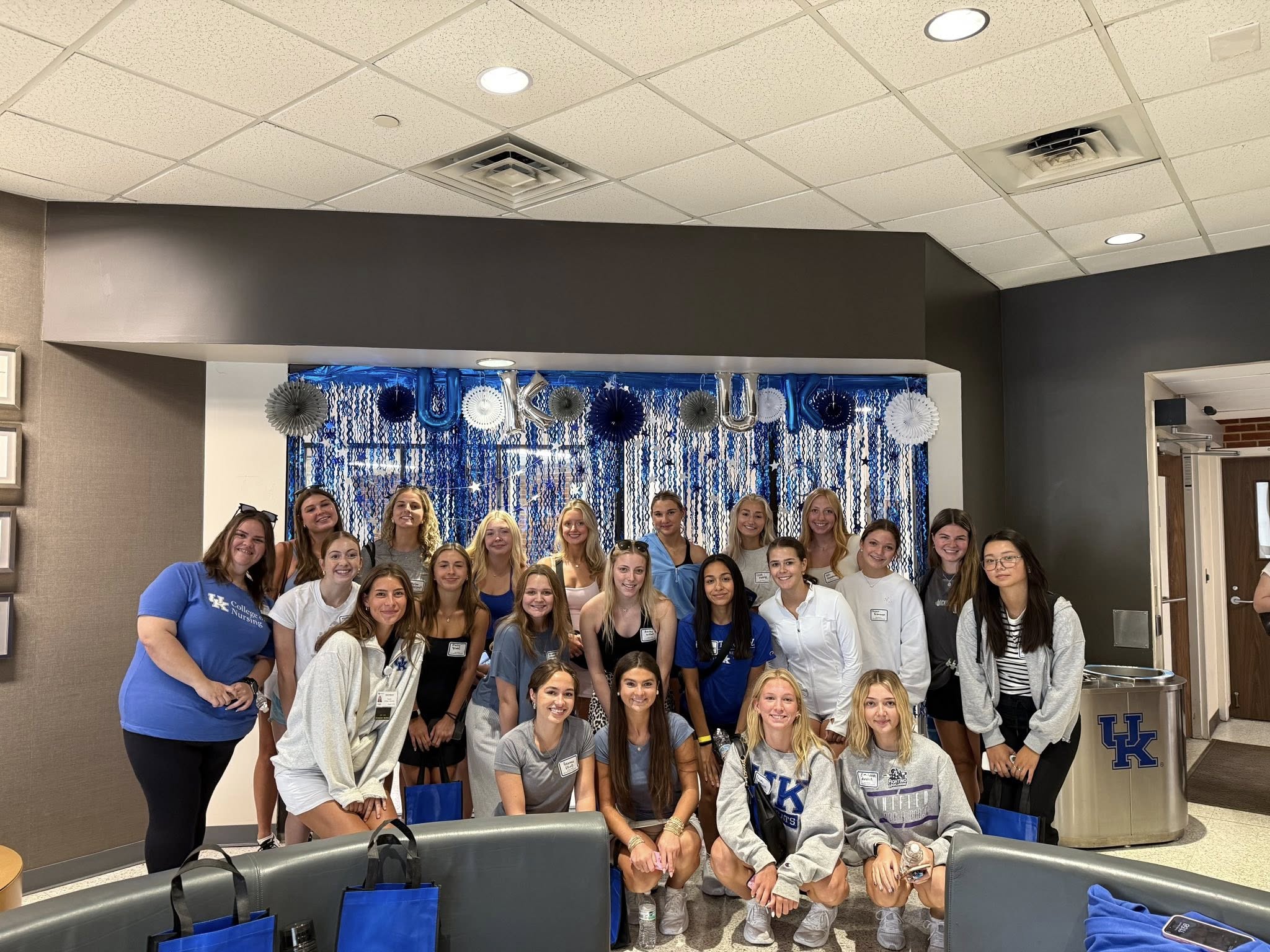
Our Knott County Extension Office recently worked with UK student-athletes who conducted the Cats Holiday Toy Drive, spreading holiday cheer to children in Eastern KY 🎁
Read more >> https://t.co/NvscaMbIQZ pic.twitter.com/4fOtsRaLGl
— UK Extension (@UKExtension) December 22, 2022

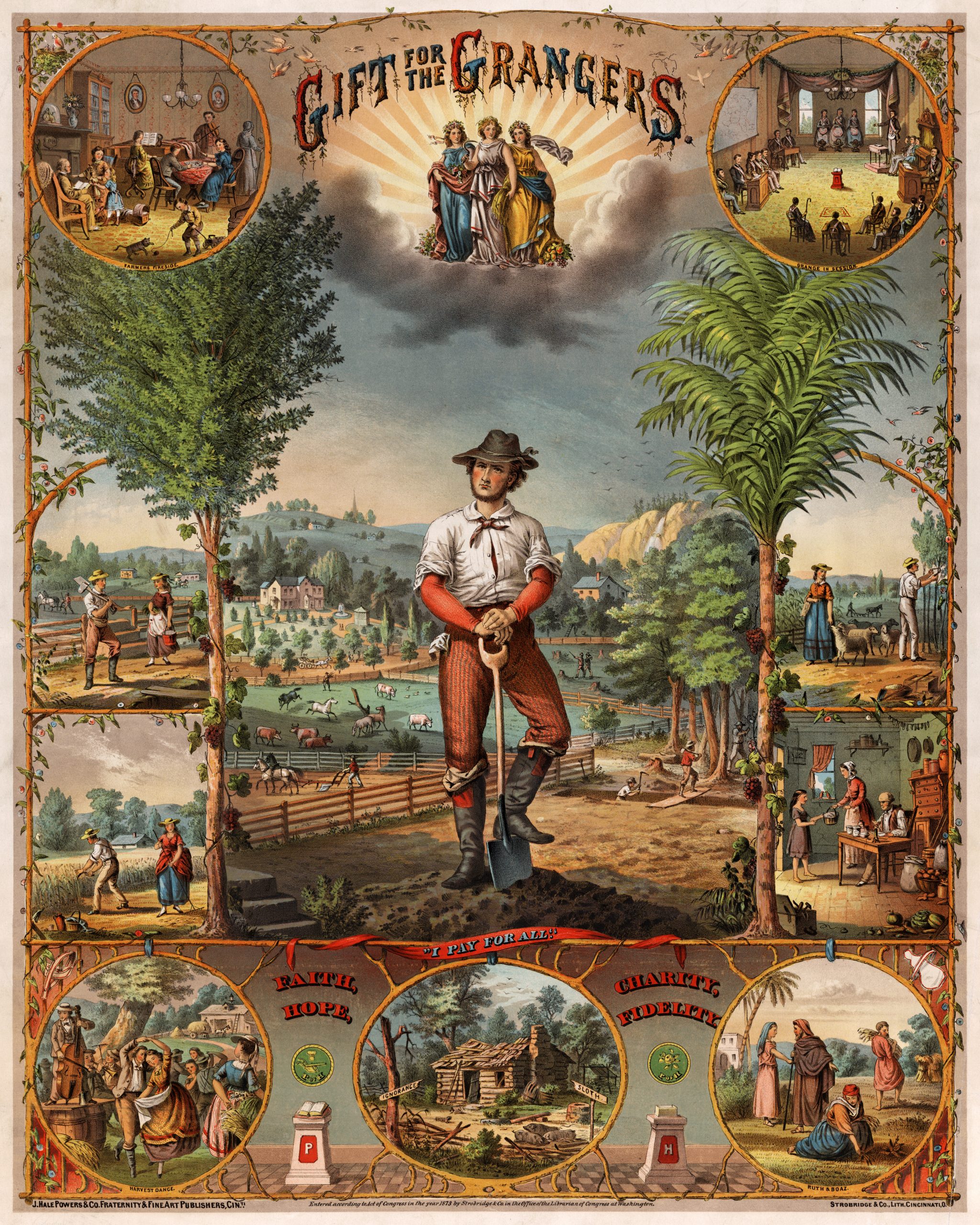
Morrill Land Grant Act

This program has been adopted or implemented by extension services and related organizations in several other states. This initiative uses short plays performed during a community dinner to educate farmers and their families on health, safety, mental health, and farm-related issues in an engaging, non-traditional way:
- Nebraska — Cooperative Extension services have hosted events as part of the program’s expansion.
- North Carolina — The program is active through local extension efforts.
- Tennessee — Events have been held, often in collaboration with extension agents.
- Virginia — Particularly notable in the Shenandoah Valley, where Virginia Cooperative Extension offices (e.g., in Rockingham County) partnered with local groups like Valley Urgent Care and Future Farmers of America (FFA) chapters to organize Farm Safety Dinner Theaters, adapting the UK model for community-based participatory approaches.
The program is designed to be replicable nationwide. The University of Kentucky provides an online Farmers Dinner Theater Toolkit for any cooperative extension service, community group, or organization to stage their own events, customizing scripts to local needs. This has enabled wider adoption beyond the original sites. These efforts focus on helping farmers by addressing critical topics like injury prevention, hearing loss, skin cancer, stress, and suicide awareness in a social, farmer-friendly setting that encourages discussion and behavior change.

University Ave Pizza

While there isn’t a universally standardized pizza that everyone agrees upon, certain types of pizza have become iconic and widely recognized. Some of these include:
Margherita Pizza: This classic pizza features tomato sauce, fresh mozzarella cheese, fresh basil, and a drizzle of olive oil. It’s named after Queen Margherita of Italy.
Pepperoni Pizza: Topped with tomato sauce, mozzarella cheese, and slices of pepperoni (a cured pork and beef sausage).
Margarita Pizza: Similar to the Margherita, but without the basil. It typically has tomato sauce, fresh mozzarella, and sometimes a drizzle of olive oil.
Neapolitan Pizza: This style originated in Naples, Italy. It has a thin, soft, and chewy crust with simple and fresh ingredients like San Marzano tomatoes, mozzarella, fresh basil, and olive oil.
New York Style Pizza: Characterized by its large, foldable slices with a thin and flexible crust. It’s often topped with tomato sauce and mozzarella cheese.
Chicago Deep-Dish Pizza: Known for its thick crust, this pizza has layers of cheese, toppings, and tomato sauce. It’s baked in a deep pan, resulting in a substantial and hearty pizza.
Sicilian Pizza: Square-shaped and thick-crusted, Sicilian pizza is often topped with tomato sauce, mozzarella, and various toppings.
California Pizza: Often associated with innovative and non-traditional toppings, California-style pizza might include ingredients like barbecue chicken, goat cheese, arugula, and more.
North Dakota doesn’t have one iconic, universally recognized “official” pizza style that the whole country talks about. The state is more known for hearty, loaded, comfort-food pizzas that reflect Midwestern tastes — generous toppings, practical portions, and creative local twists. Pizza here often leans toward heavily topped pies (think “the more toppings, the better”), with locals frequently praising places that pile on ingredients rather than keeping things minimalist.
Overall, North Dakota pizza is more about satisfying, no-fuss, topping-heavy eats that pair perfectly with cold winters than about rigid “style” rules.
Next week, @kipras_r and I will be at Como – Optical Probes 2023 conference to try some authentic Italian pizza. If you'd like to meet up, drop me a message or simply catch us at the conference! See you there! #OpticalProbes2023 #femtoinfluencer @light_con pic.twitter.com/7vdMCFaOfN
— Greta Bučytė (@GretaBucyte) September 5, 2023


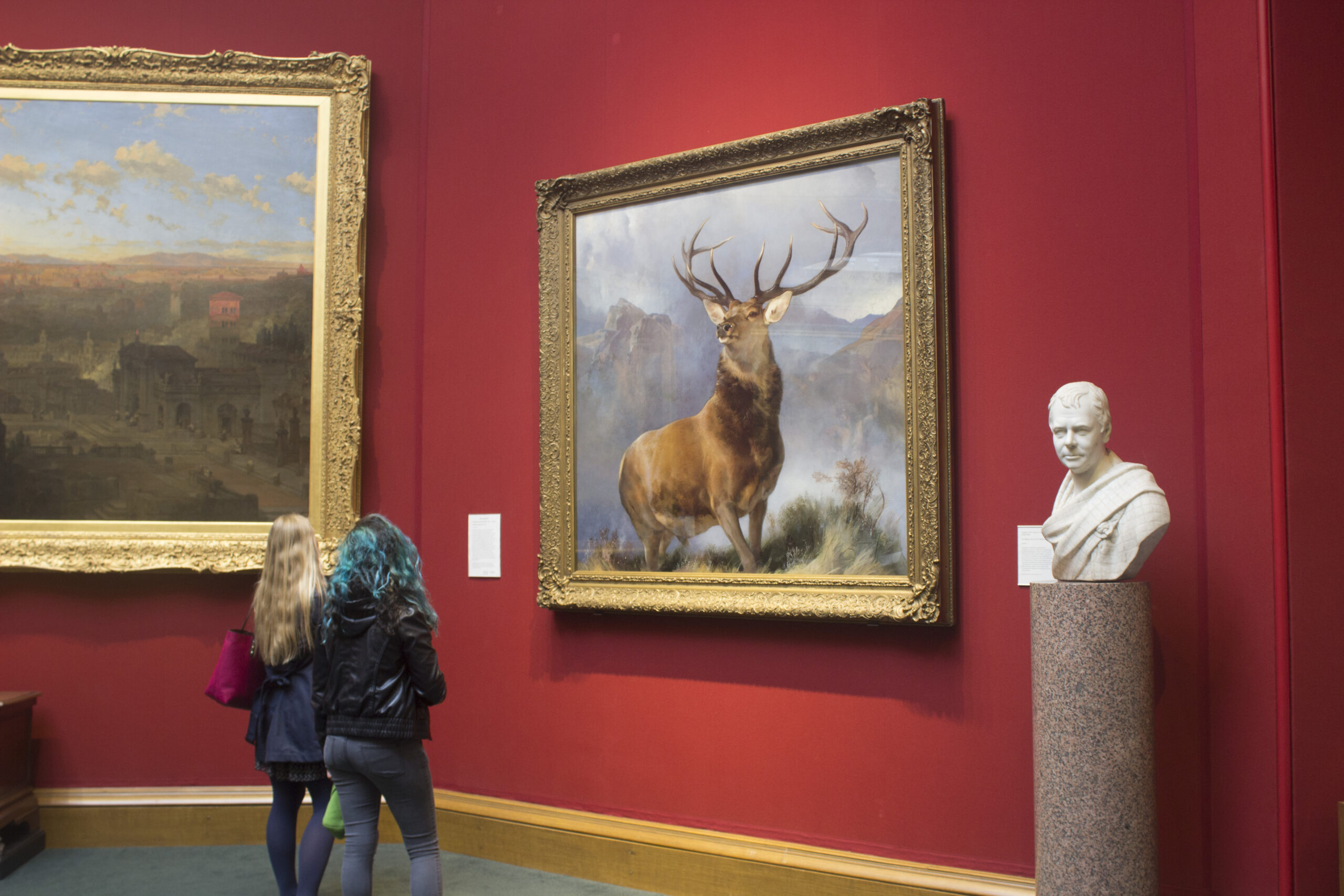
The Deer Laboratory


Dogs and Agriculture
Dogs have been bred for a variety of purposes throughout history, including as working animals to support agriculture. Dogs have been bred for specific traits that make them well-suited to work on farms, such as intelligence, obedience, strength, and endurance*.
History and Architecture | University of Oxford Estates Services
Supported by funding from the European Research Council and the Natural Environment Research Council, a large international team of scientists compared genetic data with existing archaeological evidence and show that man’s best friend may have emerged independently from two separate (possibly now extinct) wolf populations that lived on opposite sides of the Eurasian continent.

* Here are a few examples of how dogs were bred to support agriculture:
Herding dogs: Dogs such as the Border Collie, Australian Cattle Dog, and German Shepherd were bred to help farmers manage livestock by herding them from one place to another. These dogs have a natural instinct to gather and control herds of animals, and they can be trained to respond to a farmer’s commands.
Hunting dogs: Many breeds of dogs, such as the Labrador Retriever, were originally bred as hunting dogs to assist farmers with hunting game for food. These dogs have a keen sense of smell and are skilled at tracking and retrieving prey.
Guard dogs: Certain breeds of dogs, such as the Great Pyrenees, were bred to protect livestock from predators such as wolves and bears. These dogs are fiercely protective of their flock and will guard them from any perceived threat.
Draft dogs: Some large breeds of dogs, such as the Bernese Mountain Dog and the Saint Bernard, were bred to pull carts and wagons on farms. These dogs are strong and muscular and can move heavy loads across long distances.
Overall, dogs have been bred for centuries to support agriculture in a variety of ways. Their intelligence, loyalty, and hardworking nature have made them invaluable assets to farmers and have helped to shape the course of human history.
New update alert! The 2022 update to the Trademark Assignment Dataset is now available online. Find 1.29 million trademark assignments, involving 2.28 million unique trademark properties issued by the USPTO between March 1952 and January 2023: https://t.co/njrDAbSpwB pic.twitter.com/GkAXrHoQ9T
— USPTO (@uspto) July 13, 2023
Welcome
Standards Michigan Group, LLC
2723 South State Street | Suite 150
Ann Arbor, MI 48104 USA
888-746-3670
DIRECTIONS
 |
 |
|
 |
 |
|
 |
 |
Layout mode
Predefined Skins
Custom Colors
Choose your skin color
Patterns Background
Images Background
error: Content is protected !!
Skip to content